
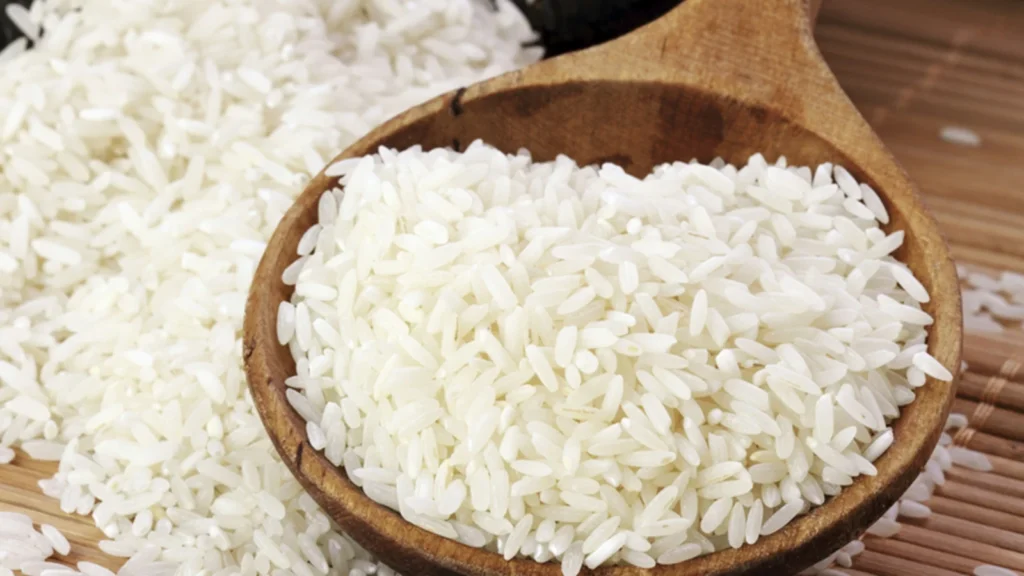
At first, basmati rice and jasmine rice may look almost the same. Both are types of long-grain white rice, but they have different qualities, flavors, and uses in cooking. To learn more about these two types of rice, we spoke with Chitra Agrawal, founder of Brooklyn Delhi, a small-batch Indian condiment company and author of Vibrant India: Fresh Vegetarian Recipes from Bangalore to Brooklyn. We also spoke with Amanda Maneesilasan, a Los Angeles-based chef and owner of Chao Krung Thai and partner in Tuk Tuk Thai and Pad Thai Diva.
What Is Basmati Rice?
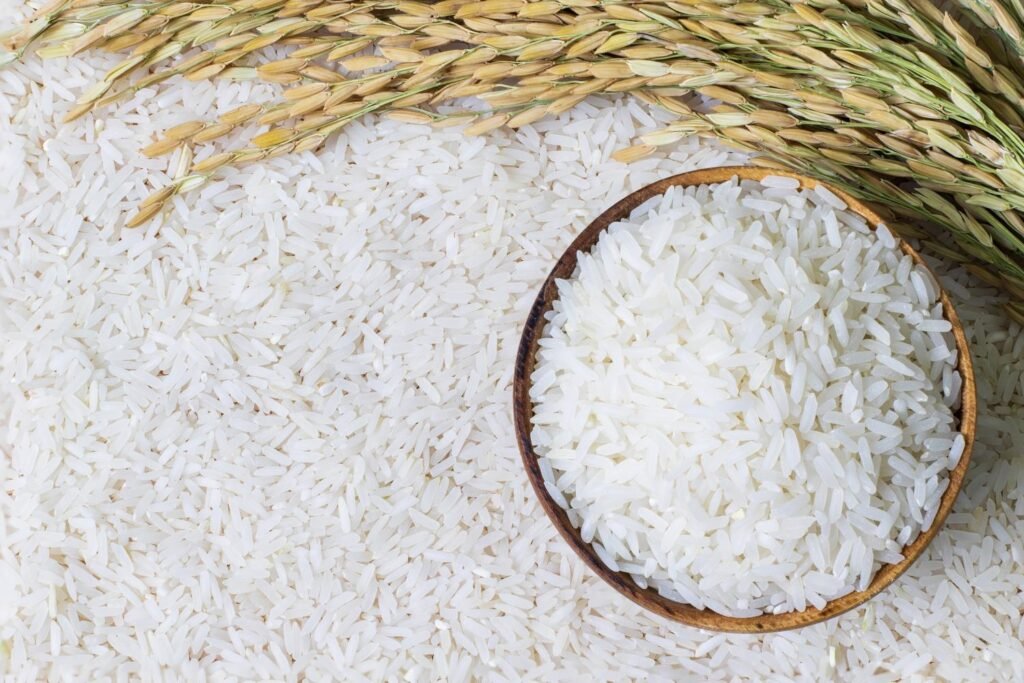
Basmati rice is a type of rice grown in North India, in the foothills of the Himalayas. It has a nutty flavor and a light floral aroma. According to Agrawal, the best-quality basmati rice has long grains that become slightly narrow at the ends. It should have a golden color instead of a bright white appearance, which is a sign that the rice has been aged. Aging helps remove moisture from the rice, allowing it to cook better.
Basmati rice can be prepared in different ways, including boiling and steaming. Agrawal grew up eating steamed basmati rice. “My parents used a double-boiler method, which prevents any burning or rice sticking to the bottom of the pan,” she says. “Some families cook their basmati rice right in the pot and cook off all of the water, while others may cook their rice like pasta and drain the water off.”
When cooked properly, basmati rice is light and fluffy, with grains that remain separate instead of sticking together. Agrawal explains that the loose grains make it easy for sauces and seasonings to coat the rice. It is often served with curry or dal. Basmati rice is also commonly used to make pilau and biryani, which are often served with yogurt raita.
What Is Jasmine Rice?
Jasmine rice is an aromatic, long-grain rice commonly used in Southeast Asian cooking. “Thai people consume rice every day, maybe even three times a day,” Maneesilasan says. “It is our staple, and it’s eaten with almost every main dish in Thailand.” When jasmine rice cooks, it releases a fresh, leafy aroma that reminds some people of plants. “Some people also compare the smell to buttered popcorn, but for people from Thailand, it smells like pandan.” Pandan is a tropical plant known for its soft, sweet-smelling leaves.
Jasmine rice is usually steamed to give it its well-known texture. “Well-prepared Jasmine rice maintains the individual grains and is slightly chewy, ever so slightly sticky, and, of course, fluffy and soft,” Maneesilasan says. Jasmine rice is often served with curries or traditional wok dishes like grapow. It is also used in rice-based dishes such as fried rice and biryani chicken rice. “Some of the traditional dishes that we eat at home, like nam prik (chili paste dip), must be eaten with rice to get the full flavor of the chili mixed with rice with a side of egg and veggies,” she adds.
Basmati vs. Jasmine Rice: What’s the Difference?
Both basmati and jasmine rice are types of long-grain, white rice that should be rinsed before cooking. However, their grains have different structures, which affect how they are prepared and how they taste when cooked.
How they’re cooked: Basmati rice has firmer grains and usually needs to soak for at least 30 minutes before cooking. It is generally boiled, although steaming is also a common method. Jasmine rice is usually steamed after rinsing. Since it is a softer type of long-grain rice, it does not need to be soaked and requires less water. Maneesilasan recommends using 1 cup of rice with 1 1/4 cups of water.
Their texture and flavor: Basmati and jasmine rice also differ in texture, smell, and taste. “Jasmine is moist and soft in texture when cooked, with a slightly sweet flavor. The grains cling and are somewhat sticky when cooked. During cooking, it produces a leafy, plant-like smell,” Maneesilasan says. “Basmati rice has a nutty flavor with a floral aroma. The smell of basmati rice is lighter and less noticeable.”
However, they can be used interchangeably: Even though they have different qualities, jasmine and basmati rice can often replace each other in recipes. “We have a dish called Chicken Biryani Rice that would be perfect with basmati rice because it’s an Indian inspired dish, but at Chao Krung, we use jasmine rice with the dish. I feel that both [types of] rice can be substituted for each other with either cuisine.”
Tips for Cooking Basmati Rice
Buying: Choose good-quality rice for the best results. Look for long grains that are slightly narrow at the ends and have a golden color. These features indicate that the rice has been properly aged and dried, helping it cook well. Agrawal’s favorite is Dehraduni basmati rice from the SWAD brand.
Prepping: To help basmati rice cook evenly, Agrawal recommends washing it several times until the water runs clear. Then, soak it for at least 30 minutes before cooking. She washes the rice directly in the pot she plans to use, which saves dishes and makes it easier to check whether the water has become clear compared with rinsing the rice in a sieve.
Cooking: Some families cook basmati rice like pasta and drain the extra water once the rice is ready. Others prefer steaming it. Agrawal’s parents use a double-boiler method, which helps prevent the rice from burning or sticking to the bottom of the pot during cooking.
Common Ways to Use Basmati Rice
Basmati rice is widely used in Indian, Middle Eastern, and Persian cooking. It can be served alongside soups, stews, vegetables, and protein-rich foods. It is also a popular choice for layered rice dishes such as biryani and pilau.
Making a batch of fluffy basmati rice requires very little preparation. Simply rinse the rice thoroughly before cooking. Remember to add salt, as it gives the rice the right amount of seasoning.
This simple side dish takes inspiration from sweet and savory Indian pulaos. It uses basmati rice seasoned with garam masala and mixed with dried fruits and nuts. Here’s a helpful tip: Wrap the pot lid with a dish towel to keep the steam inside. This helps the rice grains stay separate while the towel absorbs moisture that would otherwise collect on the lid and drip back into the pot.
This traditional Iranian dish, also called morasa polow or javaher polow, is often prepared for weddings and other large celebrations. Each ingredient is carefully prepared and cooked before being arranged over a bed of soft, fluffy basmati rice infused with saffron.
This easier version of the traditional Indian layered rice dish uses a sheet pan to simplify the cooking process. It still includes garam masala and curry powder to give the dish a warm, spicy flavor. Serve it with fresh herbs, yogurt, and cashews for extra flavor and texture.
This one-pan dinner combines basmati rice and chickpeas, allowing them to absorb the rich flavors of ginger, garlic, curry powder, and coconut milk as they bake. Finish the dish with a drizzle of yogurt, some fresh cilantro leaves, and a squeeze of lime juice.
Tips for Cooking Jasmine Rice
Buying: For the best aroma, choose 100 percent jasmine rice grown in Thailand. Maneesilasan prefers Buddha and Three Ladies brands because their rice is grown in Thailand and contains 100 percent jasmine rice. “The most fragrant grains are generally derived from Thailand because the food is indigenous to the region,” she says.
Check the packaging date before buying to make sure the rice is fresh. “Although the grains are packaged when fresh, the rice tends to lose its fragrance over the course of a few months. If you do not plan on cooking with the grains regularly, you should steer clear of bulk packages because the rice might lose its fragrance altogether,” she says.
Cooking: Maneesilasan also shares her preferred method for cooking jasmine rice at home. “When we cook at home, we normally use a rice co
Common Ways to Use Jasmine Rice
Jasmine rice can be served as a simple side dish or prepared with extra flavors and herbs. Plain steamed jasmine rice pairs well with curries.It is also commonly used in rice-based dishes like pilaf and fried rice. Here are some delicious ways to use jasmine rice in your cooking.
For a simple and flavorful side dish, cook shallots with cumin and salt. Add jasmine rice and stir until the grains are coated. Then, let the rice simmer in broth flavored with orange zest and a cinnamon stick until tender. Finish with a sprinkle of cashews and scallions for extra flavor and crunch.
This comforting dish gives rice a new twist by cooking jasmine rice in a fragrant broth with Madras curry powder and sautéed onion. Once the rice becomes very soft, blend the mixture with an immersion blender until smooth. The result is a thick, filling, and flavorful base.
You can serve plain steamed rice with this dish, or add more flavor with this simple method. Cook jasmine rice with coconut milk and lemongrass or ginger until the liquid is absorbed and the rice becomes tender. This adds a rich aroma and a slightly sweet flavor to the rice.
Cooked and cooled jasmine rice is the base of one of our most popular fried rice dishes. This is another good reason to prepare a large batch of rice the day before. The grains hold their shape well and pair perfectly with sweet, slightly smoky Cantonese-style BBQ pork fried rice.
Soft and delicate jasmine rice gets extra flavor from freshly grated ginger, cucumber, and mint. These fresh ingredients create a bright, herbal contrast to the rich, sweet, and savory lemongrass marinade used for the pork chop.