
I’ve been using a rice cooker since I was a kid, and over the years, I’ve learned a lot about how useful this simple kitchen appliance can be.
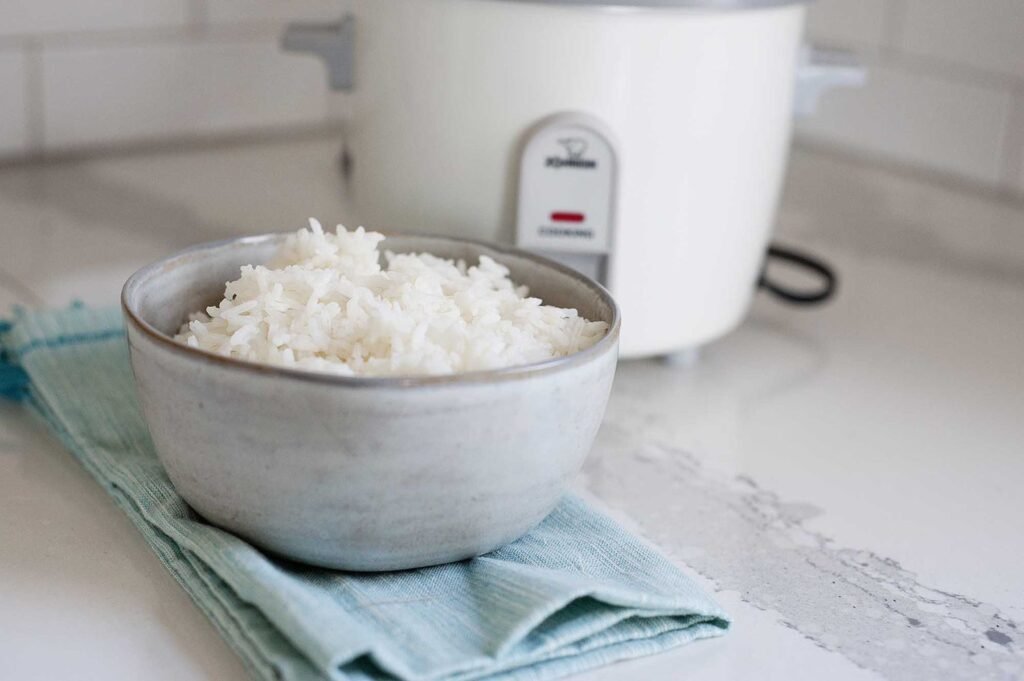
What Is a Rice Cooker?
A rice cooker is a go-to appliance for anyone who enjoys rice regularly. It makes fluffy, evenly cooked rice without the worry of burning it. And using one is incredibly simple. Just add rice and water, close the lid, and press a button.
But how exactly does this handy machine work? It all comes down to temperature. A rice cooker uses a combination of heat and moisture to cook rice. When you add rice and water to the inner cooking bowl and press the start button, the heating element begins working and brings the water to a boil. As the water heats up, the rice absorbs it, which softens the grains.
Once the rice has absorbed all the water, the temperature inside the pot begins to rise above 212 F. Sensors inside the cooker detect this change and automatically turn the appliance off or switch it to a low “Keep Warm” setting. Most rice cookers take about 20 to 30 minutes to cook white rice.
The most basic rice cookers simply turn on and off, while more advanced models have extra settings for cooking different types of rice. However, they all have the same main purpose—to make perfectly cooked rice with as little effort as possible.
What Are the Benefits of Using a Rice Cooker?
Perfect Rice: One of the biggest benefits of using a rice cooker is getting a pot of fragrant, perfectly cooked rice. The aroma is so unique that one company has even turned it into a candle.
Reliability and Consistency: A rice cooker also saves you from standing over the stove and checking the pot constantly. You don’t have to worry about the water boiling over when you step away.
Make Ahead Potential: Many rice cookers have a warming feature that keeps cooked rice at a safe temperature. This makes it convenient to prepare rice ahead of time and keep it ready until the rest of your meal is done.
Doesn’t Take Up Stove Space: Since a rice cooker sits on your counter, it also leaves a burner free for preparing other dishes.
Can Cook and Steam Other Foods, Too: Despite its name, a rice cooker can do much more than just cook rice. It can prepare many foods beyond rice, including grains like barley and oats, beans, cakes, and even breads. Many rice cookers can also work as steamers, making it easy to heat foods like tofu, vegetables, or fish.
How to Use a Rice Cooker, Step-By-Step
- Step 1: Rinse the rice. Wash the rice under cold water and drain it. Repeat this process at least two more times, or until the water becomes clear. Rinsing helps remove extra starch and keeps the grains from sticking together. During the final rinse, make sure you drain as much water as possible.
- Step 2: Add water. Put the rice into the inner cooking pot and add the required amount of water. You can use the markings inside the pot that match the amount of rice you’re cooking, such as 3 cups, or follow the recommended water-to-rice ratio. For white rice, this is usually 1 to 1.
- Step 3: Start the rice cooker. Place the inner cooking pot inside the rice cooker. Close the lid securely and press the start button.
- Step 4: Fluff the rice. When the machine indicates that the rice is ready, open the lid and gently fluff the rice with a rice paddle or wooden spatula.
- Step 5: Clean the rice cooker pot. Remove the cooked rice from the pot. If you’re not going to wash the inner cooking pot immediately, soak it in water to loosen any rice that may be stuck to the bottom or sides. Wash it with a soft sponge and mild dish soap. Most rice cooker pots have a nonstick coating, so avoid abrasive sponges and harsh cleaners that could damage the surface. Dry the pot with a kitchen towel, then let it air dry for a few hours or until you use it again.
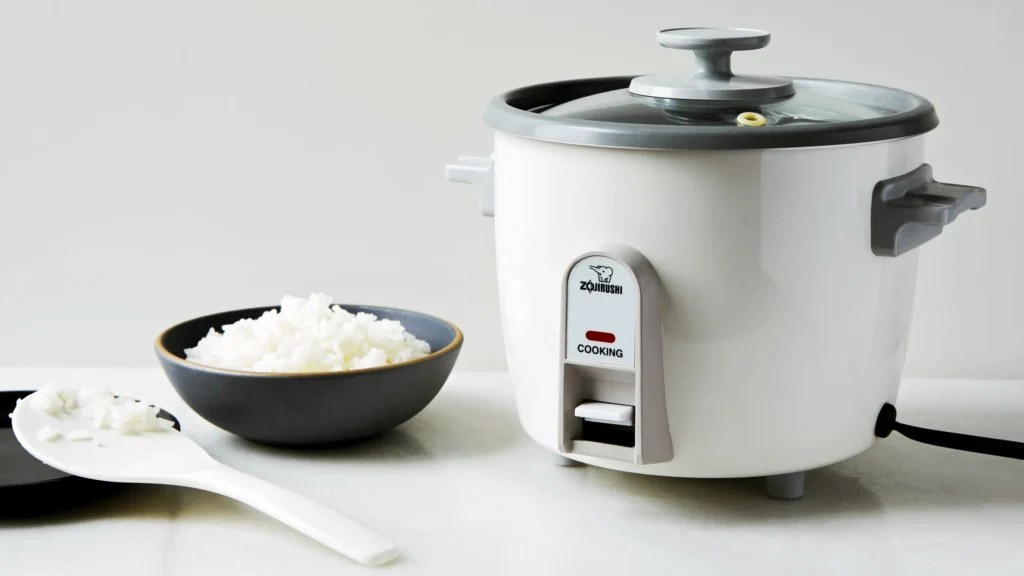
Ratios for Rice Cooker
When cooking rice in a rice cooker, using the right amount of water is important for getting a soft and fluffy texture. As a general rule, the recommended water-to-rice ratio is usually 1:1. This ratio works for white rice, whether you’re using short, medium, or long grain.
Brown rice needs more liquid, usually a 2:1 water-to-rice ratio, along with a longer cooking time. This is because brown rice has an outer bran layer, which also gives it a chewier texture.
Keep in mind that these ratios are recommendations rather than strict rules. If you prefer softer or firmer rice, you may want to adjust the amount of water. As with many cooking methods, you may need to experiment a little to find the ratio that gives you the perfect pot of rice for you and your family.
Can You Use an Instant Pot to Cook Rice Like a Rice Cooker?
An Instant Pot can definitely serve as a rice cooker. Many home cooks enjoy using an Instant Pot to prepare rice because it is a versatile appliance that can handle many different cooking tasks.
However, cooking rice in an Instant Pot is not quite as simple as using a rice cooker. With an Instant Pot, you usually need to set a specific cooking time to get the right results. A rice cooker, on the other hand, uses sensors to automatically determine when the rice is finished.
The Instant Pot does have a “Rice” function, but it has received mixed reviews. For more reliable results, we recommend following a trusted recipe, such as the Foodie Jerry recipe above. This can help ensure that your rice turns out light, fluffy, and properly cooked.