
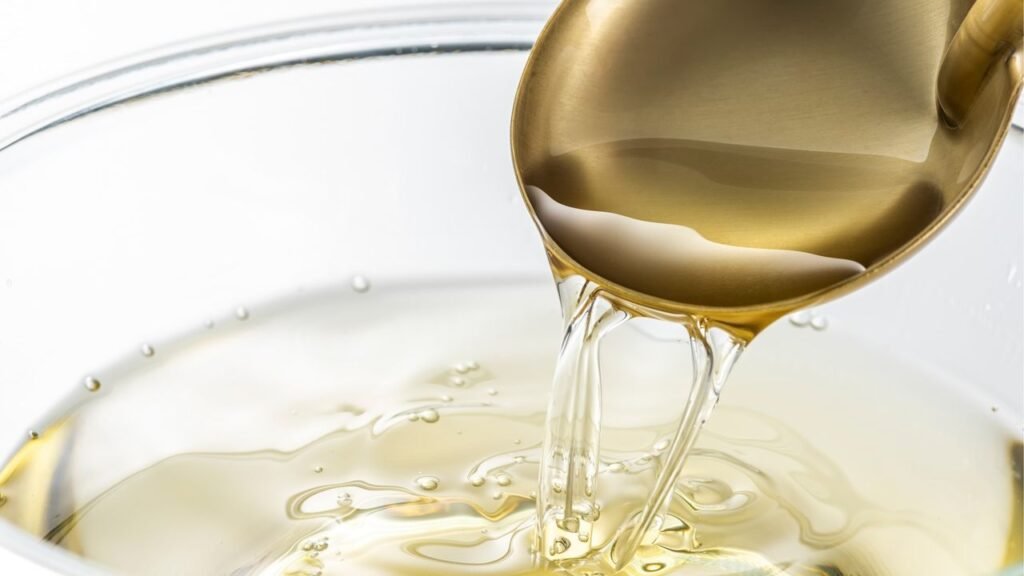
Perhaps you’ve looked at the ingredient list for a teriyaki recipe and wondered what mirin is. You may also have questions about how to use this Japanese ingredient. We spoke with Pascale Yamashita, a recipe developer, food stylist, food photographer and food lover based in Japan, to answer some of the most common questions about mirin.
What Is Mirin?
Mirin is a Japanese sweet rice wine made by fermenting steamed mochi rice, koji (fermented rice) and shochu (sweet potato alcohol) for 40 to 60 days. During this time, the starch in the rice breaks down and creates sugar, umami amino acids and organic acids. This gives mirin its unique sweet and slightly tangy flavor. Mirin can contain up to 14 percent alcohol, which means it is taxed as alcohol in Japan. The first type of mirin, also called hon-mirin, was made in Japan in the 16th century and was once considered a luxury ingredient. It became more common in the early 1900s, when it was often used in soy-sauce-based fish dishes and combined with fish stock and soy sauce to make dipping sauces for soba.
Types of Mirin: Hon-Mirin vs. Aji-Mirin
Hon-mirin is traditional, naturally fermented mirin with around 14% alcohol. Aji-mirin, which means “tastes like mirin,” is a seasoning product that usually contains added sweeteners and less alcohol. In the international aisle of many American grocery stores, you will likely find bottles labelled “aji-mirin.” Even though aji-mirin contains added sweeteners, it can still be used successfully in many recipes. If you want traditional Japanese mirin, you can usually find it at Asian markets, specialty grocery stores or online.
Is Mirin Alcoholic? (And Does the Alcohol Cook Off?)
Yes, mirin is alcoholic and can contain up to 14% alcohol. Most of the alcohol evaporates when mirin is heated, even during a short simmer. Because of this, dishes made with mirin usually contain very little or no alcohol after cooking.
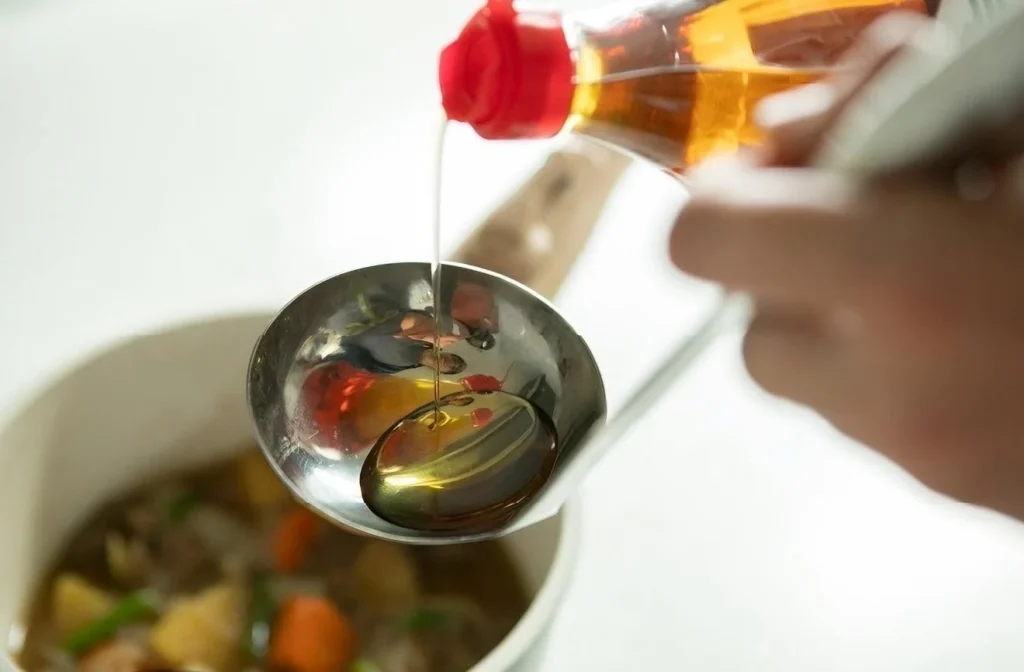
How To Use Mirin
In Japanese cuisine, mirin is mainly used in savory dishes.
- Braises: Mirin is often combined with soy sauce to make a flavorful braising liquid, such as in this Braised Pork Ramen recipe (pictured above).
- Cooking fish: Yamashita explains that in Japan, mirin is also used during the preparation of fish and meat to help reduce strong fishy or meaty smells. When cooking fish, she says mirin can also help the fish keep its shape.
- Dipping sauces and dressings: Mirin is commonly used to make different dipping sauces for Japanese foods, including noodles, sashimi, tonkatsu and tempura. In this Spice-Rubbed Tenderloin, mirin adds balance to a zesty ginger-soy vinaigrette that is drizzled over sliced pork.
- Sauces and marinades: Because mirin has a high sugar content, it is great for making glazes, sauces and marinades. In Japanese cuisine, mirin gives dishes a “teri,” which means glaze. This is where the name teriyaki comes from. These Teriyaki and Salmon Kebabs use a homemade teriyaki sauce to coat skewered fish and vegetables with a sticky, sweet glaze, with extra sauce left for dipping. In this Pork and Noodle Stir-Fry recipe, mirin is combined with rice vinegar and soy sauce to make a flavorful, glossy sauce that coats the Chinese-style noodles. You can also use mirin whenever you want a sweet and tangy flavor, such as in our version of American teppanyaki steakhouses’ Yum Yum Sauce, which goes well with steak, chicken, fish and shellfish.
- Finishing dishes: Mirin can also be added at the end of cooking to finish a dish. Try drizzling it over soup, adding it near the end of cooking a stir-fry, or using it to deglaze a pan and create a flavorful pan sauce.
How To Store Mirin
Traditional hon-mirin is shelf stable because of its alcohol content and can be stored unopened in a cool, dark place. Aji-mirin and other mirin-style products contain less alcohol, so they should be refrigerated after opening. It is also best to use them within a few months. If your aji-mirin starts to smell sour, becomes very cloudy or loses its mild sweetness, it is time to replace it. If you notice any visible mold, throw it away immediately and do not use it.
Mirin vs. Rice Vinegar: What's the Difference?
Both mirin and rice vinegar are fermented ingredients commonly used in Japanese cuisine. The biggest difference is that mirin is sweet and contains alcohol, while rice vinegar has a sour or acidic flavor and contains no alcohol, or only trace amounts. Mirin is made by fermenting steamed mochi rice, koji (fermented rice) and shochu (sweet potato alcohol) for 40 to 60 days. Rice vinegar is made by fermenting steamed rice, koji and water. During this process, the sugars in the rice are turned into alcohol. Rice vinegar is fermented for a longer period than mirin, allowing the alcohol to change into acid. This gives rice vinegar its tangy flavor and leaves it with no alcohol.
What’s the Best Mirin Substitute?
If you can’t find mirin or have run out, Yamashita suggests using a mix of sake and sugar instead. To get a good balance of fermented tang and sweetness, she recommends using 3 parts sake and 1 part sugar. You can also substitute mirin with rice vinegar or dry white wine vinegar mixed with sugar (about 1/2 teaspoon sugar for every tablespoon of vinegar). If you’re in a pinch, dry sherry or sweet marsala wine can also work as a mirin substitute.