Here Are the 6 Best Baking Soda Substitutes

substitute for baking powder

Baking soda is one of the most important ingredients in baking. Most baked goods get their rise and light texture from either baking soda or baking powder. While some recipes use whipped egg whites for lift, such as angel food cake, and others don’t need any leavening at all, like flourless chocolate cake, the majority of baked recipes depend on baking soda, baking powder, or a combination of both.
Because baking soda plays such a big role in baking, it can be frustrating when you start a recipe and discover that you’re out of it. The good news is that there are several baking soda substitutes you can use from ingredients you may already have in your kitchen. Options include baking powder, self-rising flour, whipped egg whites, and even club soda. Some less common alternatives, such as potassium bicarbonate and baker’s ammonia, can also work. In certain recipes, you may even be able to leave out the baking soda completely.
What Is Baking Soda?

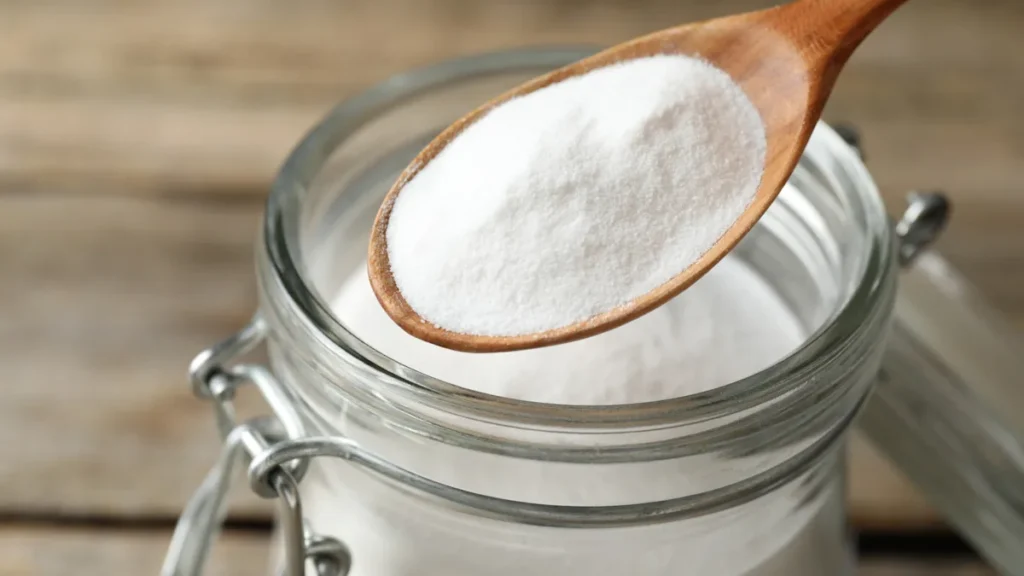
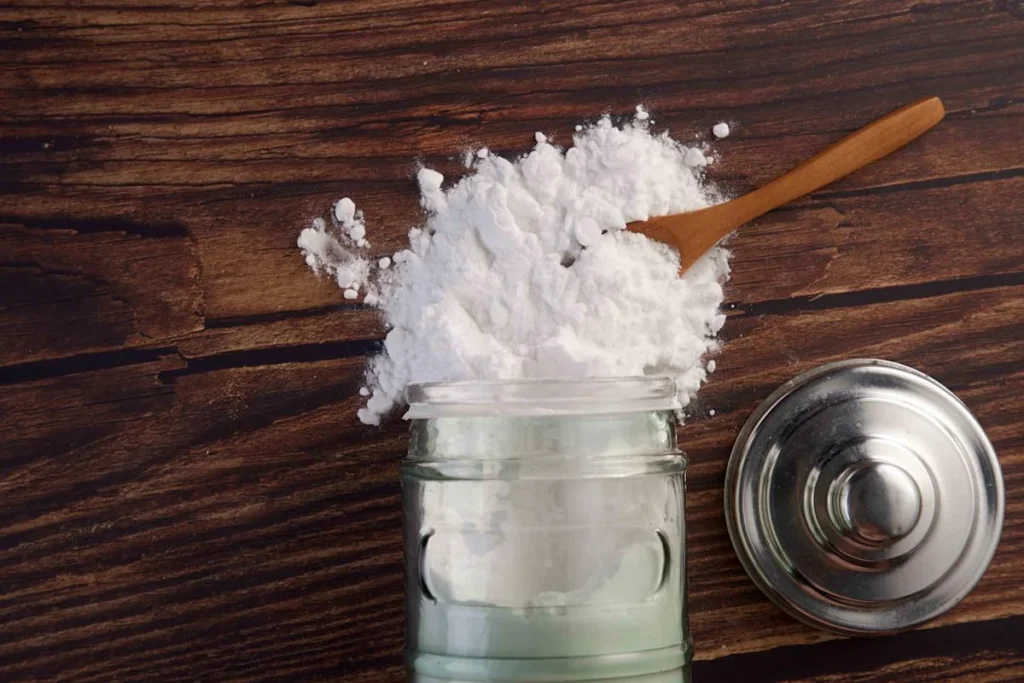
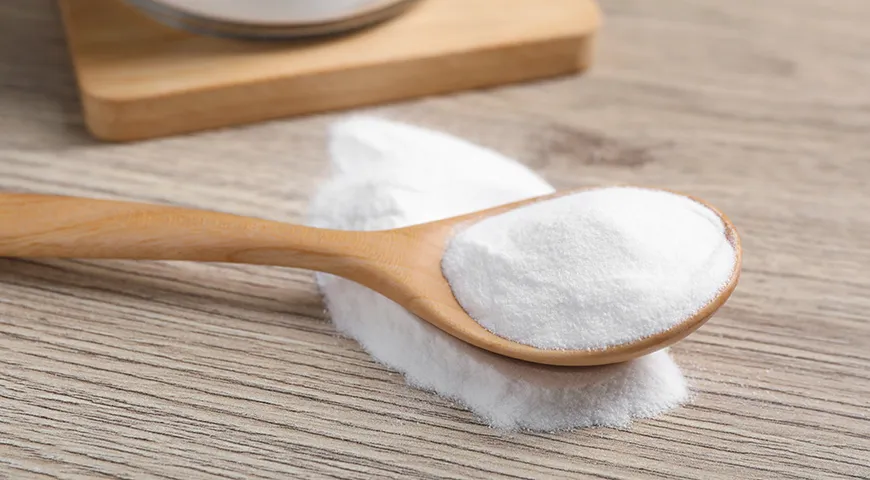
Baking soda is a common baking ingredient that helps baked goods rise. It is responsible for creating a light texture, helping foods brown nicely, and contributing to rich caramelized flavors. Baking soda is an alkaline chemical compound, which means it is a base rather than an acid. When it is mixed with an acidic ingredient, it creates carbon dioxide gas. It is also known as sodium bicarbonate and is usually sold as a fine white powder.

What Does Baking Soda Do?

In baking, baking soda acts as a leavening agent. When combined with acidic ingredients such as buttermilk, yogurt, or lemon juice and exposed to heat, it produces carbon dioxide gas. These bubbles help cakes, cookies, muffins, and quick breads rise and become fluffy.
Since baking soda is alkaline, it must be combined with an acid to work properly. Besides helping baked goods rise, it also helps create a golden-brown color and enhances flavor through browning and caramelization.

What's in Baking Soda?

Baking soda contains just one ingredient: sodium bicarbonate. This chemical compound reacts with acidic ingredients like yogurt, buttermilk, and lemon juice. When heated, the reaction creates carbon dioxide, which helps baked goods rise.

What's the Difference Between Baking Soda and Baking Powder?

Both baking soda and baking powder need liquid to become active. However, baking soda also requires an acid to create its leavening effect. Baking powder is different because it already contains an acidic ingredient within its formula, making it more convenient in some recipes.

Can I Just Leave Out the Baking Soda?

Yes, in some cases you can leave out the baking soda if you don’t have any available. This works best in simple recipes such as certain cookies and pancakes. However, the final results may be different.
For example, pancakes may turn out thinner and more similar to crepes. Cookies may not spread or rise properly and could keep their rounded shape unless you flatten them before baking. Since baking soda helps create lift and structure, leaving it out may affect texture and appearance.

baking soda replacement

Baking Soda Substitutes

Below are six baking soda substitutes that can help when you’re in a pinch. While none of them work exactly the same way as baking soda, they can still produce good results in many recipes.

1. Baking Powder

When to Use It

Baking powder can replace baking soda in almost any baked recipe, including cakes, cookies, muffins, and quick breads.

Why It Works

Like baking soda, baking powder is a leavening agent that helps baked goods rise. However, it tends to create a slightly softer and fluffier texture. For example, cookies made with baking powder may be a bit more cake-like.

How to Substitute

Use three times the amount of baking powder as the baking soda called for in the recipe.
For example:

  • 1 teaspoon baking soda = 3 teaspoons baking powder

If the recipe already includes baking powder, keep the original amount and add the extra baking powder needed to replace the baking soda.

2. Self-Rising Flour

When to Use It

Use self-rising flour only in recipes that already call for flour.

Why It Works

Self-rising flour contains baking powder and salt. Each cup includes about 1½ teaspoons of baking powder and ¼ teaspoon of salt, meaning it already provides leavening.

How to Substitute

Replace the regular flour in your recipe with the same amount of self-rising flour.
Then calculate how much baking powder has been added through the self-rising flour. Make sure the amount equals three times the baking soda originally required.
For example, if a recipe calls for:

  • 2 cups flour
  • 1 teaspoon baking soda

Replacing the flour with 2 cups of self-rising flour adds 3 teaspoons of baking powder, which is the correct substitution.

3. Whipped Egg Whites

When to Use Them

Whipped egg whites work best in simple baking recipes such as muffins, cookies, and basic cakes.

Why They Work

When egg whites are whipped, they trap air. This added air helps baked goods rise and creates a lighter texture, similar to commercial leavening agents.

How to Substitute

Use two whipped egg whites for every 1 teaspoon of baking soda required.
Since egg whites add moisture, measure their volume first and remove the same amount of liquid from the recipe. Whip the egg whites until stiff peaks form, then gently fold them into the batter or dough near the end of mixing. This helps keep as much air as possible in the mixture.
For cookie recipes that already contain eggs but no extra liquid, simply separate the eggs, whip the whites, and fold them back into the dough.

baking soda substitute

4. Club Soda

When to Use It

Club soda works best in recipes that contain at least ½ cup of liquid. It is not ideal for recipes like chocolate chip cookies that contain very little liquid.

Why It Works

Club soda contains dissolved carbon dioxide. These bubbles help provide lift and expansion during baking, similar to the gas produced by baking soda.

How to Substitute

Replace ¼ cup of the liquid in your recipe with ¼ cup of club soda.
After adding the club soda, mix the batter quickly and place it in the oven as soon as possible. The bubbles start disappearing immediately, so baking quickly helps maximize their effect.

5. Potassium Bicarbonate

When to Use It

Potassium bicarbonate can be used in any recipe that calls for baking soda, including cakes, muffins, cookies, and breads.

Why It Works

Potassium bicarbonate has nearly the same leavening power as baking soda. The main difference is that it does not contain sodium, making it a popular alternative for people watching their salt intake.

How to Substitute

Use a 1-to-1 replacement.
For every teaspoon of potassium bicarbonate used, add ⅓ teaspoon of salt to the recipe to make up for the missing sodium.

6. Baker’s Ammonia or Ammonium Carbonate

When to Use It

Baker’s ammonia works best for thin, crispy baked goods such as biscotti, crackers, and crunchy cookies.
It is not recommended for cakes, muffins, or soft cookies because it can leave behind a strong ammonia smell in baked goods with high moisture content.

Why It Works

Like baking soda, baker’s ammonia releases carbon dioxide when combined with heat and acidic ingredients. This helps baked goods expand and rise during baking.

How to Substitute

Replace baking soda with baker’s ammonia using a 1-to-1 ratio.
For example:

  • 1 teaspoon baking soda = 1 teaspoon baker’s ammonia

When used in the right recipes, baker’s ammonia can create excellent crispness and texture while providing the lift needed for baking.

Leave a Comment

Your email address will not be published. Required fields are marked *

Scroll to Top