
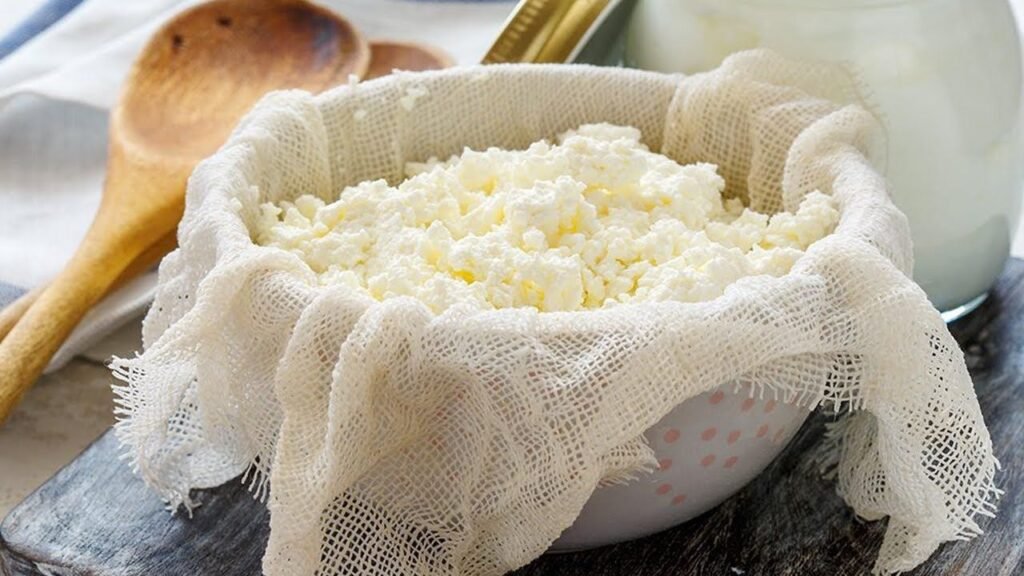
Perhaps you’ve seen cheesecloth mentioned in a recipe and wondered what it is or if you really need it. We explain why you may need it, but we’ll also share some useful substitutes if you’re in a hurry and don’t have time to buy one. Plus, we’ll cover some other handy ways to use cheesecloth once you have it.
What Is Cheesecloth?
Cheesecloth is a loosely woven, gauze-like cotton fabric that is commonly used in the kitchen for different straining tasks. It comes in several densities, which are based on a thread count ranging from 10 to 100.
What Is Cheesecloth Made Of?
Cheesecloth is made from 100 percent cotton thread and is woven in a simple basket weave pattern. It can be either bleached or unbleached, so it may be white or beige. Like sheets, cheesecloth has a thread count, which can range from 10 to 100 threads. Lower numbers mean a more open weave with fewer threads per inch, while higher numbers have a tighter weave and are heavier.
A looser weave lets liquid pass through more quickly, while a tighter weave takes longer but catches more solid pieces. The loosest weaves usually need several layers to keep the solids inside while allowing the liquid to drain.
What Is Cheesecloth Used for?
Cheesecloth gets its name from one of its most common uses in the past: separating curds from whey when making cheese. Today, it is used for many different tasks both inside and outside the kitchen. Straining broth and using it as part of Halloween decorations are just two examples. Here are a few kitchen uses we recommend.
- Straining: In the kitchen, straining is the most common use for cheesecloth. It is especially helpful if you don’t have a fine mesh strainer or if you need to strain something more finely than a fine mesh strainer can handle.
- Flour or sugar shaker: If you need a shaker for flour or confectioners’ sugar, you can easily make one with cheesecloth. Fill a mason jar with flour or sugar, place the cheesecloth over the opening, and use the ring or a strong rubber band to hold it securely in place.
- Herb and spice bundle: Instead of adding herbs and spices directly to a sauce, broth, or simmered hot wine and then straining everything afterward, place the aromatics inside cheesecloth. Tie the cheesecloth with a little twine to make a bundle. Once you finish simmering, simply remove the bundle.
- Fancy lemon juice wedge: You may have seen this trick at a fancy white tablecloth restaurant. Wrap half a lemon in cheesecloth and tie it with a thin ribbon. When you squeeze the lemon, the seeds stay inside the cloth. The small parcel also makes a nice garnish.
- Make Labneh, thicken yogurt or drain ricotta cheese: Sometimes the holes in a strainer are not fine enough. For example, when you are draining yogurt or ricotta cheese to make it thicker, you can line the strainer with cheesecloth. This allows the water to drain while keeping the other ingredients inside.
Cheesecloth Substitutes
Here are a few substitutes you can use, especially since cheesecloth’s main job in the kitchen is straining.
- Paper towels: High-quality, thick paper towels are one of the easiest options. Dampen the paper towels before placing them inside your strainer. This helps the liquid pass through instead of being absorbed by the towels.
- Coffee Filters: Paper coffee filters can work much like paper towels. Wet them first before placing them inside your strainer.
- Fabric: You have several fabric options. Muslin is commonly used, and you can purchase it from most fabric stores. A flour sack dish towel, a large men’s handkerchief, or a bandana can also work as a substitute.
- Medical Gauze: If you only need a small piece of cheesecloth, a gauze pad can be a useful alternative.
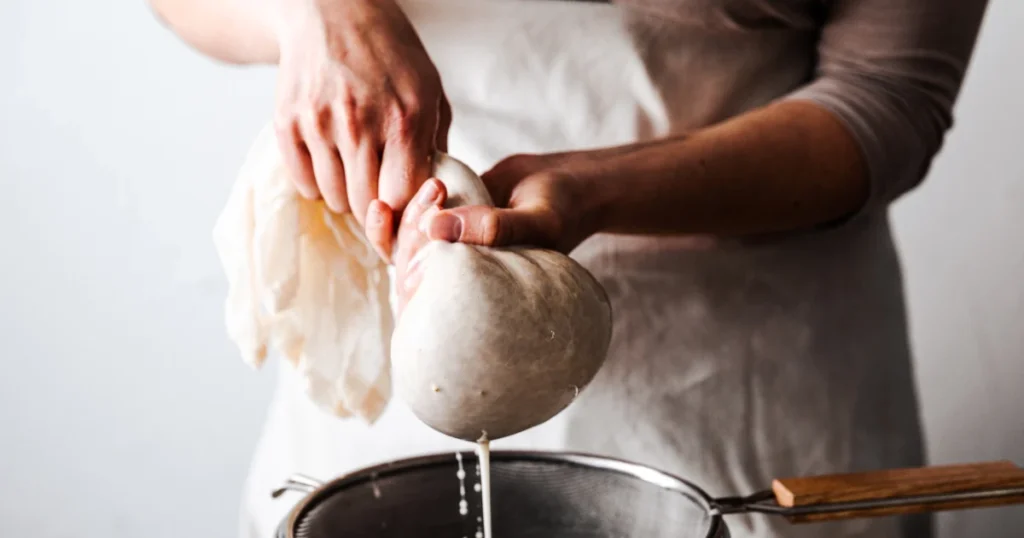
Is Cheesecloth Reusable?
Yes! Cheesecloth can be reused several times if you buy one with a thread count of 60 or above. We recommend hand-washing cheesecloth with soap and very hot water and rinsing it at least 6 times. Wring out as much water as possible and then let it air dry. The oven handle can be a convenient place to hang it while it dries.
Where to Buy Cheesecloth
If you’re shopping for cheesecloth, kitchen stores, hardware stores, and supermarkets are good places to check. When buying cheesecloth, it is worth spending a little more on a higher thread count. A thread count of 90 or 100 is a good choice because it is stronger and more durable.
A sturdy cheesecloth can be reused many times. The 10-count cheesecloth, on the other hand, can be very difficult to wash and reuse.
Recipe Using Cheesecloth for Straining
- Greek yogurt, a pinch of salt, and a dash of lemon juice can drain overnight in a cheesecloth-lined colander and magically turn into labneh.
- When straining chicken broth, three layers of cheesecloth can turn a large-holed colander into a fine sieve. This helps you get a clearer broth.
- You can also make smooth, grit-free oat milk by straining it through cheesecloth after blending it in the blender.
- Like chicken broth, bone broth can be clearer when you line your strainer with three layers of cheesecloth before straining it into small containers.
Related Links: