
Chicken stir fry is one of the best dinners you can make when life gets busy. It cooks fast, uses simple ingredients, and tastes amazing. This easy chicken stir fry is the perfect solution for busy weeknights because you can have a healthy, filling meal on the table in less than 30 minutes. It’s packed with tender chicken, fresh vegetables, and a tasty sauce that brings everything together.
The best part is how flexible it is. You can use almost any veggies you have — broccoli, peppers, carrots, or even zucchini — and it still turns out great. I’ve made this quick chicken stir fry on nights when I was tired and short on time, and it always worked. You don’t need fancy cooking skills to make it, but it feels like a special dinner.
It’s also a full meal in one pan. You get protein from the chicken, veggies for nutrition, and a delicious sauce for flavor. Serve it over rice or noodles, and dinner is done! Plus, there’s only one pan to wash, which is a big win after a long day.
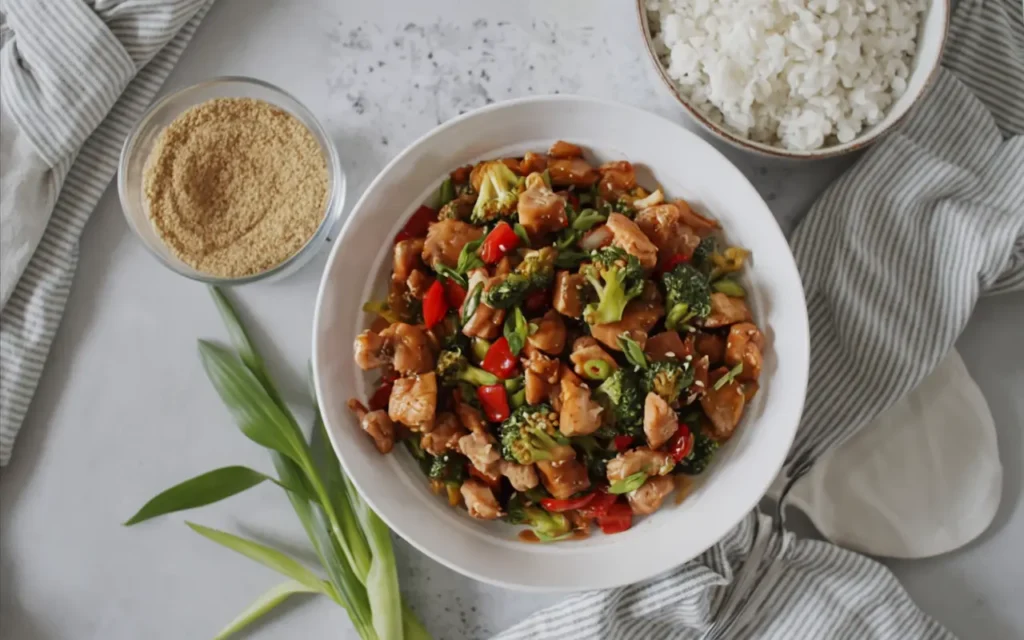
What Makes This Chicken Stir Fry So Easy and Delicious
The best thing about a stir fry is that it’s a true one-pan meal. Everything cooks in one skillet or wok, which means less cooking time and less cleaning. Since stir fry uses high heat, the chicken stays juicy and the vegetables stay crisp. You can go from cutting the veggies to eating dinner in about 30 minutes — perfect for busy nights.
Another reason this recipe is a favorite is how simple the ingredients are. Most of them — like soy sauce, garlic, honey, and cornstarch — are probably already in your kitchen. Even though it’s quick to make, it tastes like something from a restaurant. I’ve made this for friends, and they always ask about the “secret sauce.” The truth? It’s just the right mix of salty, sweet, and savory flavors.
This recipe is also super flexible. Out of broccoli? Use snap peas or green beans. No bell peppers? Try carrots or mushrooms instead. You can even add noodles instead of rice or switch the chicken for shrimp or beef. That’s why I love making stir fry — it never gets boring, and you can make it your own every time.
Ingredients You’ll Need
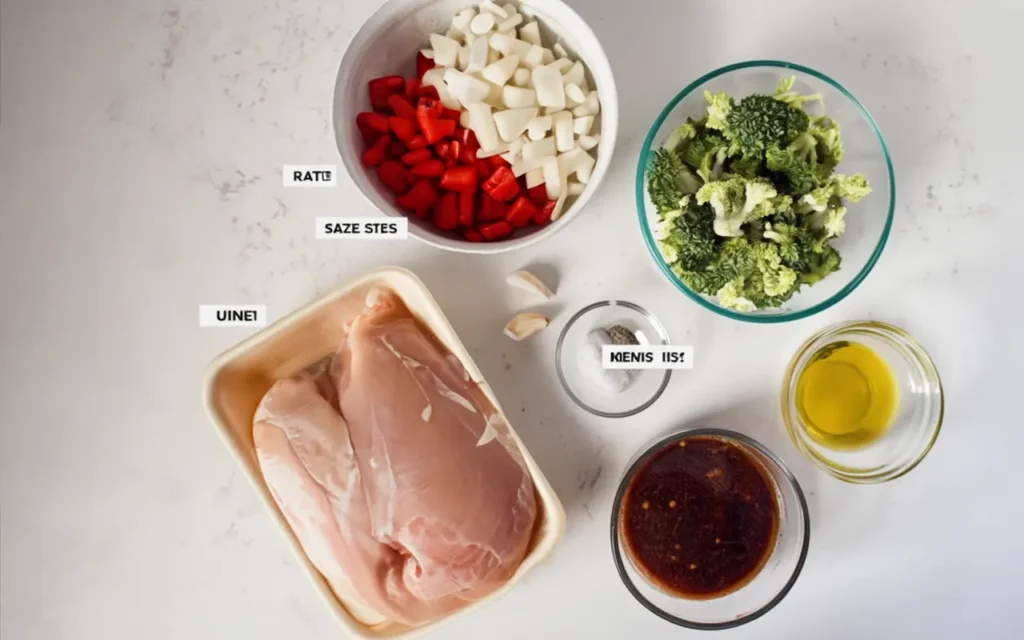
For the Chicken
- Boneless, skinless chicken breasts – quick to cook and stay tender.
- Chicken thighs (optional) – juicier and full of flavor.
- Marinating tip: Mix soy sauce, garlic, and a little sesame oil. Let the chicken sit for 15 minutes for extra flavor.
For the Vegetables
- Broccoli, bell peppers, onions, carrots – classic combo for color and crunch.
- Veggie swaps: Snap peas, mushrooms, zucchini, baby corn, or whatever fresh vegetables you have.
- Pro tip: Use leftover veggies in your fridge — it keeps every stir fry unique and cuts food waste.
For the Sauce
- Soy sauce – salty, savory base.
- Honey (or sugar) – adds sweetness.
- Garlic + ginger – fresh flavor boost.
- Sesame oil – gives that authentic stir fry taste.
- Chicken broth – makes the sauce rich.
- Cornstarch – thickens the sauce so it coats everything.
- Optional: Chili flakes or sriracha for a spicy kick.
- Pro tip: Make extra sauce — it tastes amazing over rice or noodles.
How to Make Easy Chicken Stir Fry (Step-by-Step)
Step 1: Prep Your Ingredients
- Cut the chicken into bite-sized pieces so it cooks quickly and evenly.
- Chop your vegetables into similar sizes for even cooking.
- In a small bowl, whisk together the sauce (soy sauce, honey, garlic, ginger, broth, and cornstarch) so it’s ready to go.
- Pro tip: Get everything prepped before turning on the heat — stir fry moves fast!
Step 2: Cook the Chicken
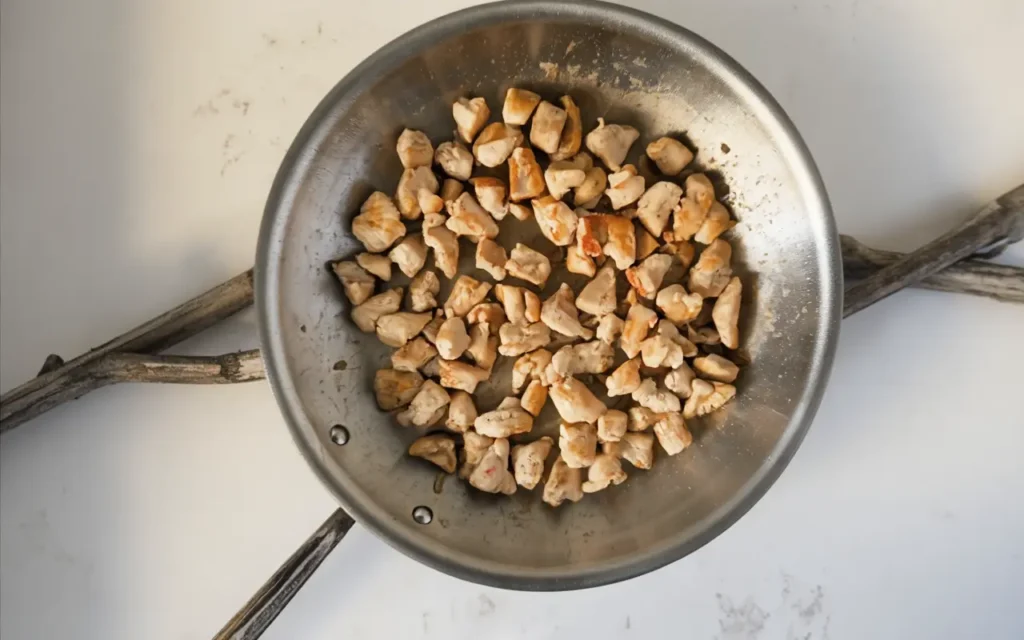
- Heat a large skillet or wok over medium-high heat until hot.
- Add a little oil and sear the chicken until golden brown and cooked through (about 4–5 minutes).
- Remove chicken from the pan and set aside. This keeps it juicy and avoids overcooking.
Step 3: Stir Fry the Veggies
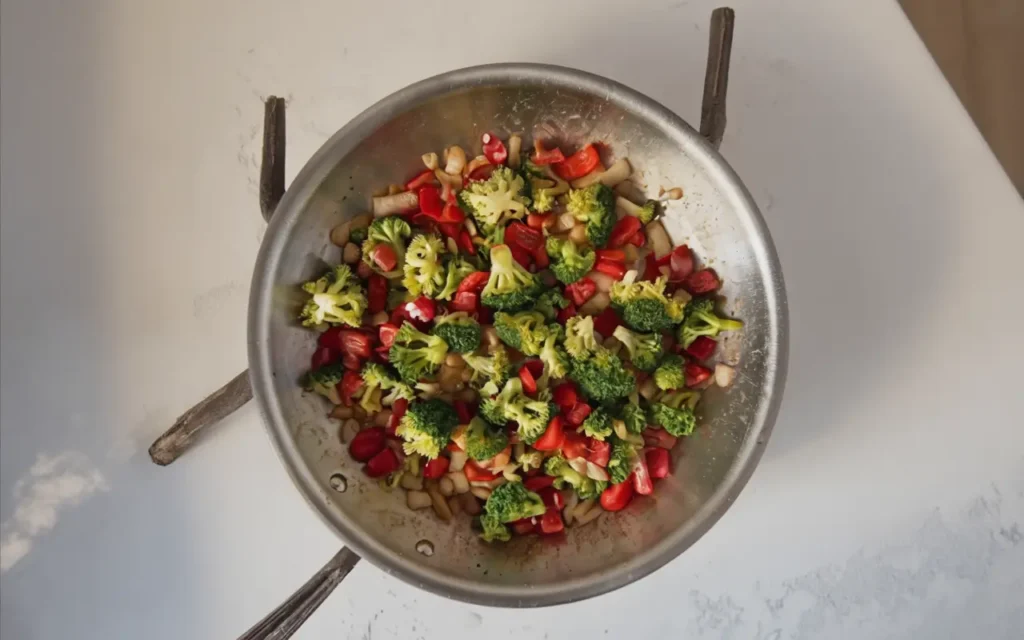
- Add a bit more oil if needed and toss in the vegetables.
- Cook for 2–3 minutes, stirring often so they stay crisp and colorful.
- I like to start with harder veggies like carrots first, then add softer ones like bell peppers last.
Step 4: Add the Sauce and Combine
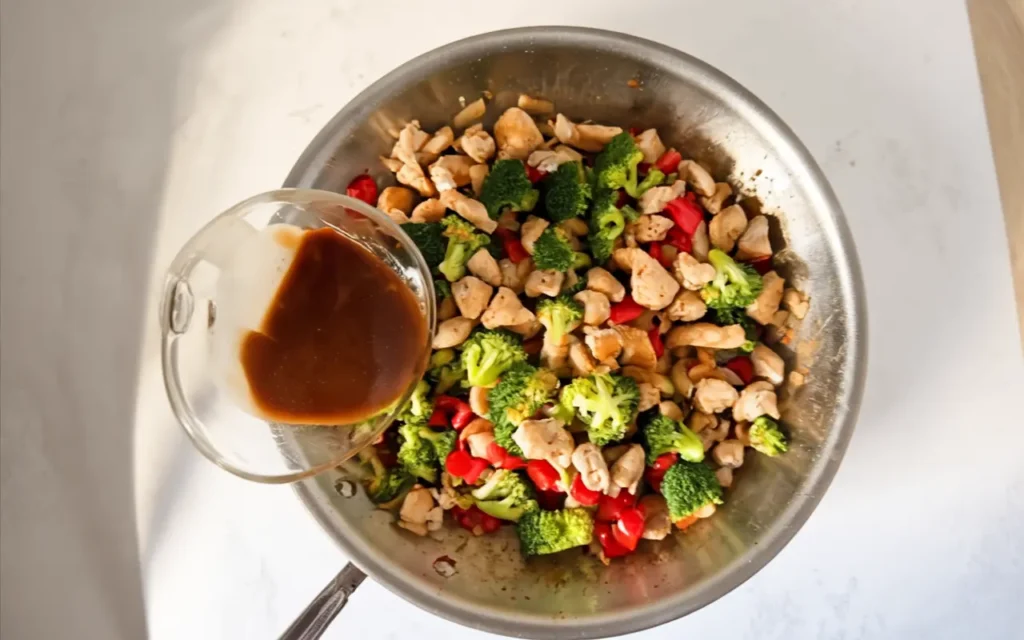
- Return the chicken to the pan.
- Pour in the prepared sauce and stir until everything is coated.
- The cornstarch will thicken the sauce in about 1 minute — keep stirring for that glossy finish.
Step 5: Serve and Enjoy
- Serve hot over rice, noodles, or cauliflower rice for a low-carb choice.
- Sprinkle sesame seeds or green onions on top for a restaurant-style touch.
- I love serving it family-style at the table so everyone can dig in.
Tips for the Perfect Chicken Stir Fry
Marinate for Extra Flavor
Even 15–30 minutes makes a big difference. A simple mix of soy sauce, garlic, and a splash of sesame oil helps the chicken soak up flavor and stay juicy. I often marinate mine while chopping the vegetables — it saves time and boosts taste.
Use High Heat for Best Results
Stir fry is meant to be cooked quickly over medium-high to high heat. This locks in the chicken’s juices and gives you that classic, restaurant-style sear. If the pan isn’t hot enough, the chicken can turn soggy instead of golden.
Keep Veggies Crisp
Add vegetables in the right order — carrots and broccoli first, then peppers or onions. Cook just until bright and slightly tender, not soft. This is how you get that perfect crunch every time.
Make Extra Sauce
If you love a “saucy” stir fry, double the sauce ingredients. The extra sauce coats the rice or noodles and gives every bite more flavor. I always make a little extra because my family loves to drizzle it over everything.
Easy Stir Fry Sauce Variations
Sweet and Sour
For a tangy twist, mix soy sauce, rice vinegar, ketchup, and a little honey or sugar. This gives you that classic sweet-and-sour taste without takeout. I use this when I want something bright and kid-friendly — it pairs perfectly with pineapple chunks or bell peppers.
Teriyaki-Style
A teriyaki chicken stir fry is always a hit. Combine soy sauce, brown sugar, garlic, ginger, and a splash of mirin (or rice vinegar if you don’t have mirin). Simmer the sauce until it thickens slightly — it gives the chicken that shiny, sticky glaze you’d get in a restaurant.
Spicy Kick
Turn up the heat with sriracha, chili flakes, or a bit of gochujang. This variation is my personal favorite when I’m craving bold flavor. I like to balance the spice with a little extra honey to keep it from being too fiery.
Garlic Butter Stir Fry
For a rich twist, melt butter and add extra minced garlic before adding the sauce. The butter gives the dish a smooth, savory flavor that feels almost indulgent. It’s perfect for serving over noodles or even mashed potatoes.
Vegetable Substitutions and Add-Ins
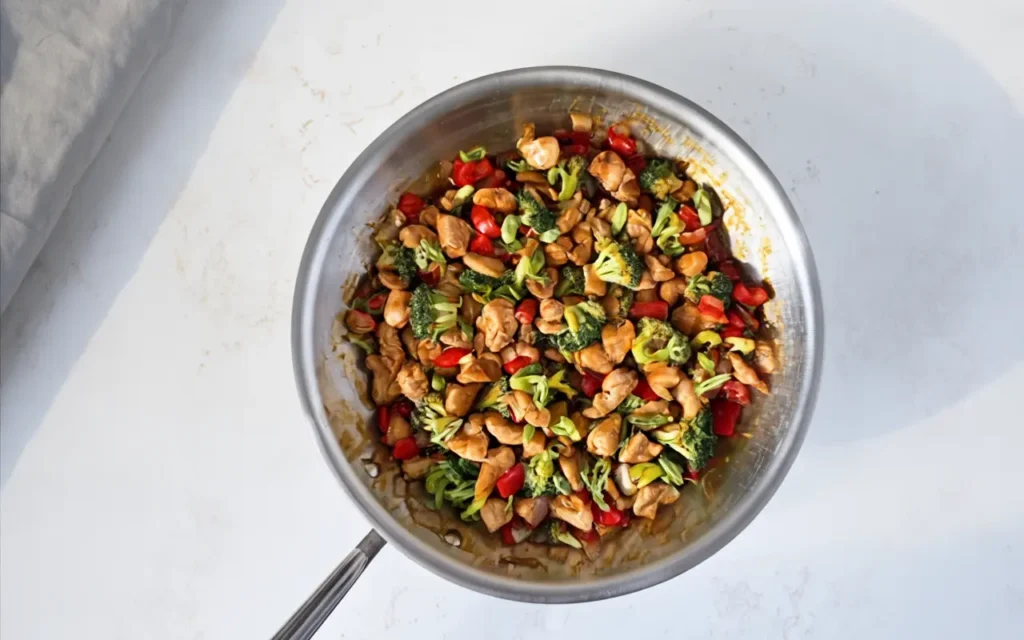
One of the best things about stir fry is how flexible it is. If you don’t have broccoli, try zucchini or green beans instead — they cook quickly and stay crisp. I often mix and match based on what’s in my fridge, and every batch feels fresh and new.
You can also toss in extras like snap peas, mushrooms, baby corn, or even shredded cabbage. These add color and extra crunch, making your stir fry more filling and balanced. I love adding mushrooms because they soak up the sauce and give a meaty bite without extra calories.
For busy nights, frozen vegetables are a lifesaver. Just keep a bag of mixed stir fry veggies in the freezer, and dinner comes together in minutes. Make sure to cook them on high heat so they don’t steam too much — this keeps them from getting soggy.
Protein Alternatives
You don’t have to stick with chicken for a great stir fry. Shrimp stir fry is a quick favorite — it cooks in just 2–3 minutes and pairs perfectly with a garlicky sauce. Beef or pork strips are also great options, just slice them thin so they sear quickly and stay tender. I like to use flank steak for beef stir fry because it soaks up marinades really well.
For a vegetarian or vegan option, tofu stir fry is an easy swap. Use extra-firm tofu, press out the water, and pan-fry until golden before adding it to the veggies. This gives it a crispy outside while staying soft inside. You can also try tempeh or edamame for a plant-based protein boost.
Mixing proteins is another fun twist — chicken and shrimp together make a surf-and-turf style stir fry that feels like a special dinner but takes no extra time. No matter which protein you choose, the sauce and veggies will still shine and give you a healthy, balanced meal.
Serving Suggestions
| Base | Why It Works | Pro Tip |
| Steamed Rice | Classic pairing for chicken stir fry with rice. | Use jasmine or basmati rice for a fluffy, fragrant base. |
| Fried Rice | Adds extra flavor and texture to your meal. | Use leftover cold rice for the best fried rice. |
| Quinoa | Healthy, high-protein option. | Rinse quinoa before cooking to remove bitterness. |
| Cauliflower Rice | Low-carb, veggie-packed alternative. | Cook quickly on high heat so it doesn’t get mushy. |
| Noodles | Perfect for chicken stir fry with noodles. | Toss noodles in the sauce at the end so they stay coated. |
| Side Dish | Why It Works | Pro Tip |
| Egg Rolls | Crunchy side that complements the stir fry. | Serve with a sweet chili dipping sauce. |
| Wonton Soup | Light starter that balances the meal. | Use store-bought frozen wontons for quick prep. |
| Simple Salad | Adds freshness and crunch. | Toss with sesame dressing to match the flavors of the stir fry. |
Meal Prep and Storage Tips
Make Ahead and Refrigerate
You can prep your chicken stir fry ahead by chopping the veggies and mixing the sauce the night before. Cooked stir fry stays fresh in the fridge for up to 3–4 days in an airtight container. I often portion mine into meal prep containers with rice, so lunches are ready to grab during the week.
Freezer-Friendly Option
Chicken stir fry freezes well if you want to save it for later. Let it cool completely, then store in freezer-safe bags or containers. For best texture, freeze the cooked chicken and sauce separately from the vegetables — this keeps them from getting too soft when reheated.
Reheating Without Overcooking
Reheat stir fry in a hot skillet or wok over medium-high heat for 2–3 minutes. This keeps the chicken juicy and the veggies crisp. If using a microwave, heat in short 30-second bursts, stirring in between to avoid rubbery chicken. I like to splash a little water or extra sauce in the pan to bring back moisture.
Common Mistakes to Avoid When Stir-Frying
- Overcrowding the Pan
- Too much chicken or veggies in the pan makes them steam instead of fry.
- Cook in small batches — I do this every time now and it keeps everything crispy and golden.
- Too much chicken or veggies in the pan makes them steam instead of fry.
- Using Low Heat
- Stir-fry needs high heat to cook fast and keep chicken juicy.
- Heat the pan until it’s just starting to smoke, then add oil. This gives you that perfect sear.
- Stir-fry needs high heat to cook fast and keep chicken juicy.
- Overcooking Chicken or Veggies
- Chicken gets tough and veggies turn mushy if cooked too long.
- I pull them off the heat as soon as they look done — they keep cooking a little after you remove them.
- Chicken gets tough and veggies turn mushy if cooked too long.
- Not Using Enough Sauce
- Without enough sauce, the dish tastes dry and plain.
- I like to coat every bite with a mix of soy sauce, garlic, ginger, and a little cornstarch for thickness.
- Without enough sauce, the dish tastes dry and plain.
FAQs ( Frequently Asked Questions)
Can I use frozen vegetables?
Yes! Frozen vegetables work great for stir fry. Just make sure to thaw them slightly and pat them dry before cooking. Too much water can make the stir fry soggy instead of crisp. I often keep a bag of mixed veggies in my freezer so I can make a quick dinner any night.
How do I make it gluten-free?
To keep this dish gluten-free, use tamari or coconut aminos instead of soy sauce. Check your cornstarch or thickener to make sure it’s certified gluten-free as well. I’ve cooked it this way for friends with gluten sensitivity, and they loved it.
Can I use pre-cooked chicken?
Yes, pre-cooked chicken saves time, but add it at the end of cooking. This keeps it from drying out. I like to toss it in the hot pan with the sauce for just 1–2 minutes until warm and coated.
How do I thicken stir fry sauce?
The easiest way is to mix cornstarch with cold water (a slurry) and stir it into the sauce. It thickens quickly when heated, so watch it closely. I always remove the pan from heat once it reaches the perfect glossy consistency.
Conclusion
This recipe is perfect for busy nights. It is quick to make, uses simple ingredients, and works with many flavors. You can use chicken, shrimp, or even tofu to make it your own. I often make this dish when I want a healthy dinner in under 30 minutes.
It is also easy to change based on what you have at home. Add fresh vegetables, try a new sauce, or serve it with rice, noodles, or quinoa. This makes it fun to cook and keeps dinner from feeling boring.Give it a try and see what mix you like best. You might come up with a new family favorite!