
Taco night is fun, but store-bought taco seasoning can be a problem. Most packets have too much salt, preservatives, and ingredients you don’t need. I started making my own taco seasoning at home, and it made a big difference. It tastes fresher, it’s healthier, and I can make it just the way I like it.
It also saves money. Those little packets seem cheap, but if you cook tacos a lot, the cost adds up. Most of the spices — chili powder, cumin, paprika — are already in your kitchen. Mixing them yourself is quick and saves you from eating unnecessary additives.
The best part is you can make it your own. Want a smoky taste? Add smoked paprika. Like it spicy? Add more cayenne or red pepper flakes. Making your own seasoning turns taco night into something fresh and full of flavor every time.
Homemade Taco Seasoning Ingredients
The best part about making taco seasoning at home is that you only need a few simple spices. Most of them are probably already in your kitchen. Here’s the taco seasoning ingredients list you’ll want to keep on hand.
Core Spices You’ll Need
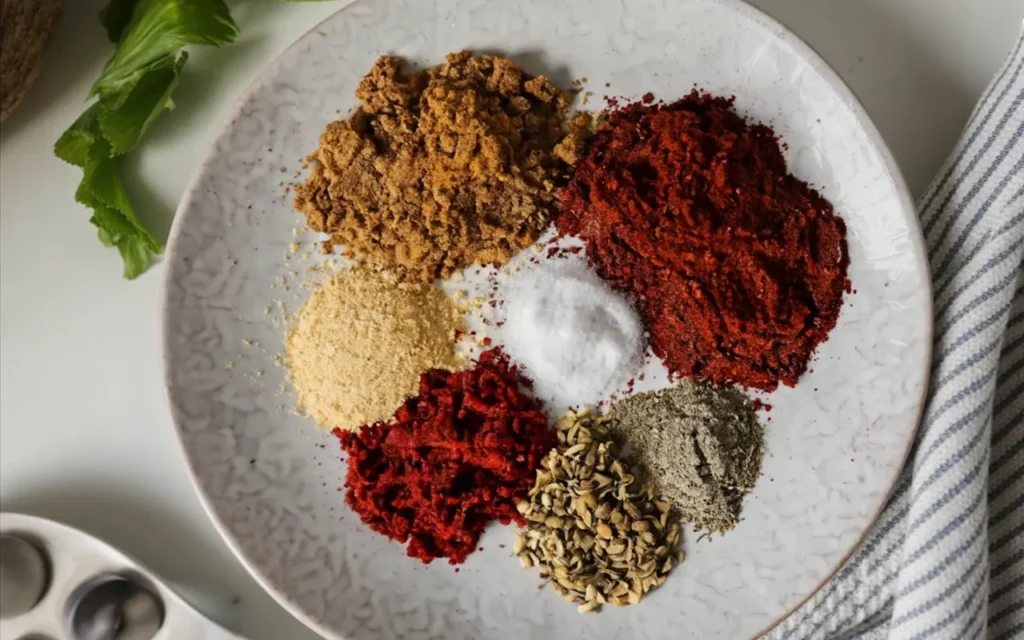
- Chili Powder – This is the main flavor and gives your taco seasoning that classic taste.
- Ground Cumin – Adds a warm, earthy flavor that balances the chili powder.
- Paprika (Regular or Smoked) – Gives a mild sweetness. Use smoked paprika for a deeper, smoky taste.
- Garlic Powder – Adds that savory punch without peeling fresh garlic.
- Onion Powder – Brings a little sweetness and helps round out the flavor.
- Oregano – Adds a light herbal note that makes the blend taste fresh.
- Salt & Black Pepper – Brings all the spices together and boosts the flavor.
These are the main spices for taco seasoning, and they make a great all-purpose blend for tacos, burritos, or even roasted veggies.
Optional Add-Ins for Extra Flavor
- Cayenne Pepper – Adds heat if you like your tacos spicy.
- Red Pepper Flakes – Gives a little kick and texture.
- Extra Smoked Paprika – For more smoky depth.
- Sugar or Cornstarch – Sugar can balance the heat, and cornstarch can help thicken taco meat filling.
I love using smoked paprika when I make this at home because it gives the taco meat a richer flavor without being too spicy. And if I’m cooking for kids, I just skip the cayenne so it’s not too hot.
Step-by-Step Instructions
Making your own taco seasoning is quick and simple. You only need a few minutes and a small bowl. Here’s how to make taco seasoning step by step so it turns out perfect every time.
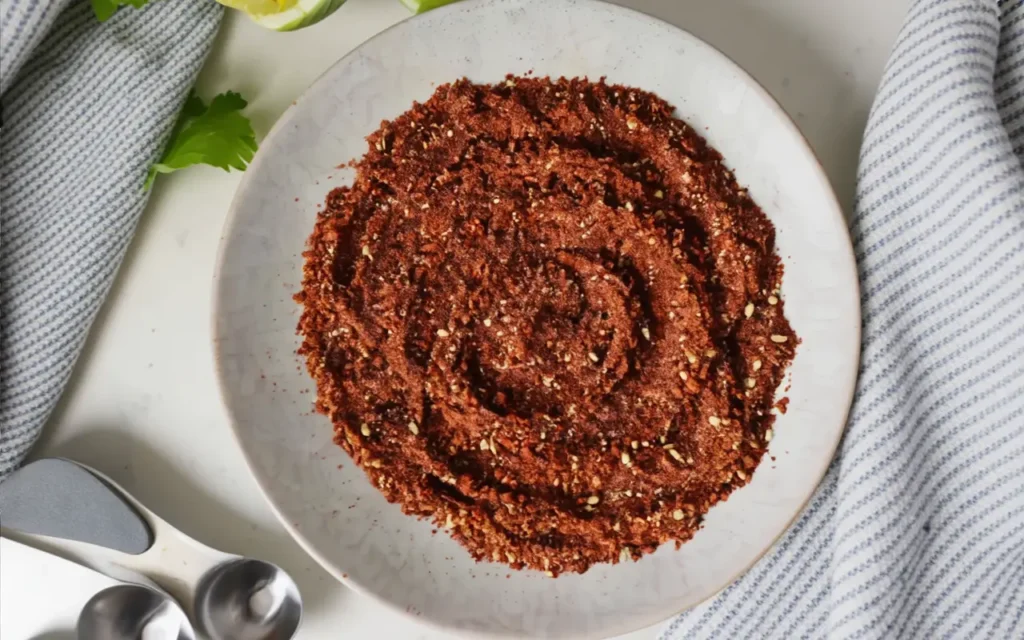
Step 1: Measure Your Spices
For one pound of ground beef, measure:
- 1 tablespoon chili powder
- 2 teaspoons ground cumin
- 1 teaspoon paprika (regular or smoked)
- 1 teaspoon garlic powder
- 1 teaspoon onion powder
- ½ teaspoon dried oregano
- ½ teaspoon salt
- ½ teaspoon black pepper
- A pinch of cayenne pepper (optional, for heat)
I’ve tested this mix many times, and it gives the right balance of flavor without being too spicy. If you like extra heat, add a bit more cayenne or red pepper flakes.
Step 2: Mix & Store
Pour all the measured spices into a small bowl and stir until everything is evenly combined. This makes a simple DIY spice blend that smells amazing right away. Store it in a small airtight jar or spice container, and keep it in a cool, dry place. This way, your seasoning stays fresh and ready for taco night.
I usually make a bigger batch and keep it in a labeled jar. It saves me time during busy weeknights, and I know exactly what’s in my food — no preservatives, just real flavor.
Step 3: Use It in Your Recipes
To season ground beef, brown the meat in a skillet, drain any excess fat, then sprinkle on your seasoning mix. Add 2–3 tablespoons of water or broth, stir, and let it simmer for a few minutes so the flavors soak in.
This homemade taco seasoning recipe also works for chicken, shrimp, or roasted vegetables. Just toss with a little oil and seasoning before cooking. I even use it in black bean tacos — it gives them a big punch of flavor with almost no extra work.
Homemade Taco Seasoning vs Store-Bought
| Aspect | Homemade Taco Seasoning | Store-Bought Taco Seasoning |
| Sodium & Preservatives | Made with simple pantry spices, so you control how much salt goes in. No artificial preservatives or fillers. Great for low-sodium diets. | Often contains high sodium, anti-caking agents, and preservatives to keep it shelf-stable. Can be too salty for some diets. |
| Flavor | Fresh, bold flavor that you can adjust — extra cumin for warmth, smoked paprika for depth, or cayenne for heat. You can make it mild or spicy depending on taste. | Flavor can taste flat or overly salty. Many packets use flavor enhancers instead of fresh spices, leading to a less vibrant taste. |
| Cost Savings | Buying bulk chili powder, cumin, and paprika saves money over time. A batch of homemade mix costs pennies per serving and lasts for weeks. | Convenient but more expensive per serving. You pay extra for packaging and branding every time you buy a packet. |
| Customization | Easy to tweak — add oregano, garlic powder, or even a pinch of sugar to balance flavors. Perfect for family preferences. | Limited control over ingredients. What you buy is what you get, which may not fit dietary needs or taste preferences. |
How Much Taco Seasoning to Use per Pound of Meat
When cooking 1 pound of ground beef, the standard amount is about 2 to 3 tablespoons of taco seasoning. This gives you a flavorful balance without overpowering the meat. I’ve tested this many times in my own kitchen, and it consistently gives the perfect taco taste. If you like your tacos on the lighter side, stick with 2 tablespoons. For bolder, restaurant-style flavor, go closer to 3 tablespoons.
If you’re cooking for kids or anyone sensitive to spice, start with 2 tablespoons and skip cayenne or red pepper flakes. You can always sprinkle in extra seasoning after tasting — it’s easier to add more spice than to fix a dish that’s too hot. For adults who enjoy a kick, add a pinch more chili powder or smoked paprika to deepen the flavor profile.
Also remember to brown the meat first, then drain excess fat before mixing in the seasoning with about ⅔ cup of water. This helps the spices coat the beef evenly and creates that signature saucy texture you get from restaurant tacos. This method works for ground turkey, chicken, or even plant-based crumbles too, so it’s versatile for different diets.
Customizing Your Taco Seasoning Blend
Make It Mild
If you want a gentle flavor, reduce or skip cayenne pepper and leave out red pepper flakes. I often do this when making tacos for kids or guests who don’t enjoy too much heat. You’ll still get that classic taco taste thanks to cumin, garlic powder, and paprika — just without the spiciness.
Make It Spicy
Love bold, fiery tacos? Add more cayenne pepper, a pinch of red chili flakes, or chipotle chili powder. I like making mine extra spicy for taco night with friends — it gives them that street-taco kick and wakes up your taste buds.
Make It Low Sodium
If you’re watching your salt intake, cut the salt in half or use salt-free chili powder. This way, you control how salty your dish gets and can adjust while cooking. It’s a great option for a heart-healthy taco night.
Make It Smoky
For a rich, smoky flavor, use smoked paprika instead of regular or add a touch of chipotle chili powder. I love this twist for grilled chicken or roasted veggie tacos — it gives them a delicious, smoky aroma that tastes like BBQ.
Storage Tips & Shelf Life
- Use an Airtight Container – Store your taco seasoning in a small airtight jar or spice container. This keeps out moisture and helps the spices stay fresh. I like using a glass jar with a tight lid — it also looks nice in the pantry.
- Keep It Cool and Dry – Place your jar in a cool, dry spot away from heat, sunlight, and humidity. Avoid storing it near the stove, as heat can make spices lose flavor faster.
- Shelf Life – Homemade taco seasoning usually stays fresh for about 6 months. After that, the spices won’t go bad, but the flavor will slowly fade.
- Label Your Jar – Write the date you made the blend on the lid or jar. This way, you always know how fresh it is and when it’s time to make a new batch.
- Shake Before Use – Sometimes spices settle at the bottom. Give the jar a quick shake before using so the flavor is even.
Common Mistakes to Avoid
Using Stale Spices
Old spices lose their flavor, which can make your taco seasoning taste flat or bland. Always check the best-by date on your chili powder, cumin, and paprika before mixing. I once used paprika that had been sitting in my pantry for over a year, and the tacos came out dull and lifeless. Fresh spices make a big difference in the final taste.
Forgetting to Taste and Adjust
Taco seasoning isn’t one-size-fits-all — your taste buds are different from mine. Always taste your cooked filling and adjust. If it needs more heat, add a pinch of cayenne. If it’s too salty, add a squeeze of lime juice or a splash of broth to balance it.
Adding Too Much Salt or Heat
It’s easy to overdo it with salt or chili powder. I recommend starting with less and adding more if needed. This is especially important if you’re cooking for kids or guests who can’t handle a lot of spice. A balanced taco seasoning should enhance the dish, not overpower it.
FAQs (Frequently Asked Questions)
How much taco seasoning should I use per pound of meat?
Use about 2 to 3 tablespoons per pound of ground beef. If you want a stronger flavor, add a little more. For kids or a milder dish, start with 2 tablespoons and adjust to taste.
Can I make taco seasoning without salt?
Yes! You can make a salt-free taco seasoning blend by skipping the salt or using salt-free chili powder. This is great for people on a low-sodium diet. Just add salt to taste when cooking.
How long does homemade taco seasoning last?
It stays fresh for about 6 months if stored in an airtight jar in a cool, dry place. After that, it won’t go bad, but the flavor may be weaker.
Can I use homemade taco seasoning for chicken or shrimp?
Absolutely! Use the same amount as you would for beef. For shrimp or chicken, I like to mix the seasoning with a little olive oil and lime juice before cooking for extra flavor.
Why does my taco seasoning taste bland?
This usually happens if the spices are old or if there isn’t enough salt. Always use fresh spices and taste as you cook — you can add a little extra seasoning if needed.
Can I double or triple the recipe?
Yes! Making a big batch saves time. Just multiply the measurements and store the blend in a sealed jar. Shake before each use to mix evenly.
Conclusion
Making your own taco seasoning is one of the easiest ways to upgrade taco night. You save money by skipping store-bought packets, and you get full control over what goes into your blend. No fillers, no preservatives — just fresh spices that make every bite taste better.
If you’re looking for a simple way to make taco night feel special, try mixing up a batch this week. You’ll taste the difference right away, and you might never go back to store-bought seasoning again.