
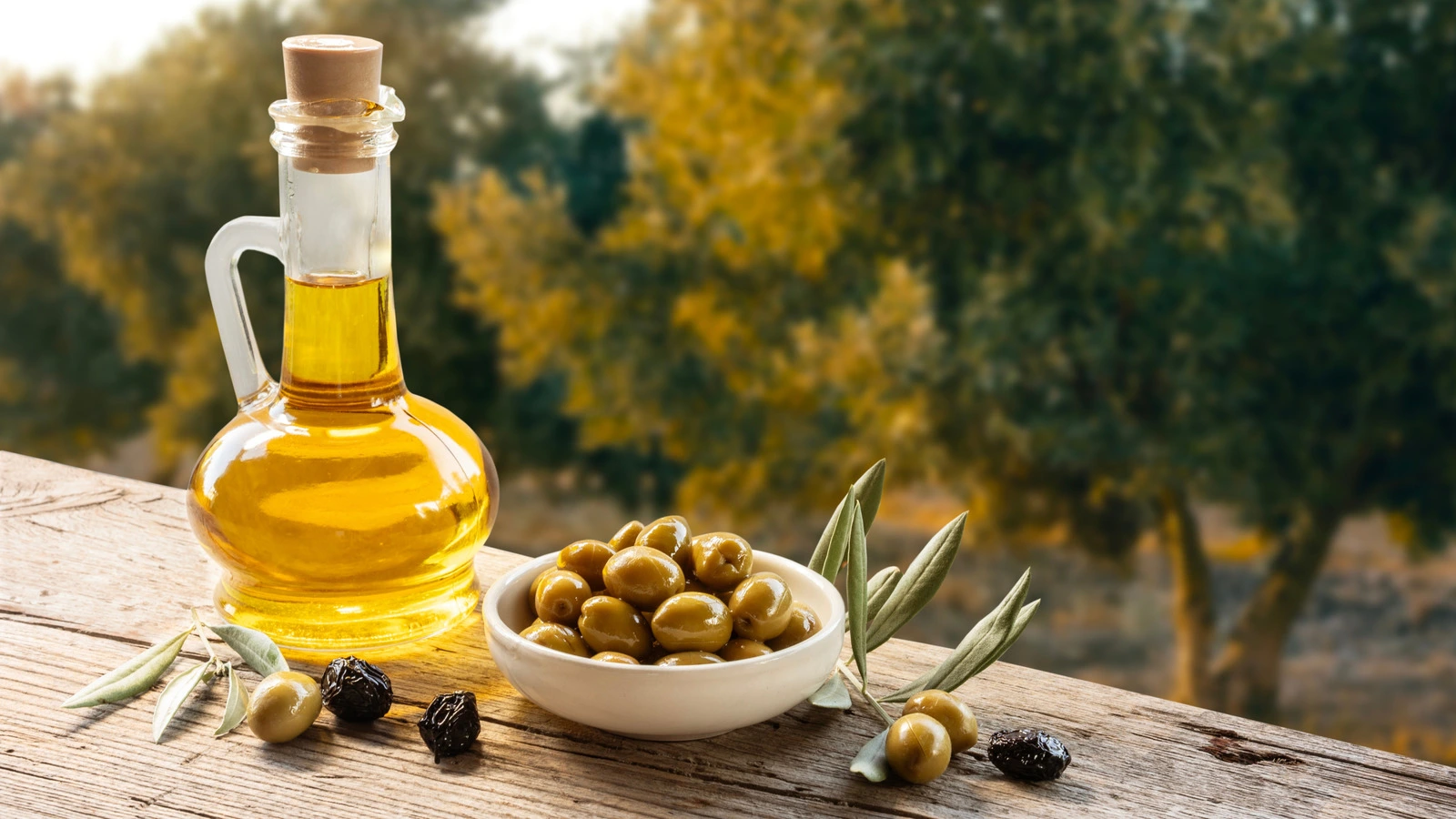
I clearly remember the first time olive oil became part of my life. It was 1974, and I was on one of those “200 countries in three days” kinds of school trips with other students from my high school. Our first stop was Madrid. I was far too excited to sleep because of the jet lag, so I decided to walk around the city. Everywhere I went, I kept smelling this amazing aroma, and I had no idea what it was. I asked anyone who spoke even a little English what that smell was, but nobody seemed to understand what I meant. That evening at dinner, I finally got my answer: potatoes, fried in olive oil.
At that time, I had never even heard of olive oil. For me, olives were just those tasteless black things that came in a can. I later understood that the reason no one could explain the smell was because it was so common in Madrid that I was the only one noticing it. But the taste of those potatoes was unforgettable, and my love for olive oil started that very day. (And honestly, it still hasn’t faded at all.)
Over the years since my own olive oil discovery, the U.S. has also fallen in love with olive oil, not only because of its amazing flavor but also because of its impressive health benefits. Today, you can usually find many different olive oils on supermarket shelves, but not every bottle is right for every use in the kitchen. Here’s what you should know.
What Exactly Is Olive Oil?
Olive oil is a liquid fat made by pressing, or grinding and then pressing, the fruit of the olive tree. The tree, Olea Europaea, belongs to the Oleaceae family and originally comes from the Mediterranean Basin. Most of the world’s olives, and therefore olive oil, come mainly from Spain, Italy, Greece, Turkey, and now the US is quickly catching up. Olive oil is used for cooking food; making soaps, cosmetics, and pharmaceuticals; lighting; and even today, in many religious ceremonies.
The oldest way of making the oil (and the method many people still believe is the best) involves crushing olives between two large stones and then pressing the pulp to remove the oil. The less heat created during processing, the better the quality. The way the oil is pressed, the care taken during the process, and whether the oil is refined or blended all affect the “grade” and price of the oil.
Extra-Virgin Olive Oil
The term “extra-virgin” means the first pressing of the olives. Basically, it is the cold-pressed oil that comes from pressing whole olives without adding heat or chemical treatment, which is why EVOO is considered an unrefined oil. During the extraction process, special care is taken to keep the temperature of grinding and pressing as low as possible so the oil keeps its pure flavor and health benefits. Because of these careful standards, this type of olive oil has the lowest level of “free acidity” (or oleic acid) of all grades: less than 0.8%.
In simple terms, this is the oil you should use in salads or as a finishing drizzle over food after cooking. Extra-virgin olive oil is the most expensive type, but it also gives the richest and best flavor.
Can I Cook With Extra-Virgin Olive Oil?
Here is where my opinion may be different from many chefs when it comes to this type of olive oil: as long as my cooking temperature stays below 350–415 degrees F, I absolutely cook with good extra-virgin oil. It is true that above this temperature range, the flavor of the oil starts to break down quickly and a bitter, burnt taste can take over. But if you carefully control your heat, cooking with extra-virgin olive oil adds amazing flavor to whatever you are making.
Virgin Olive Oil
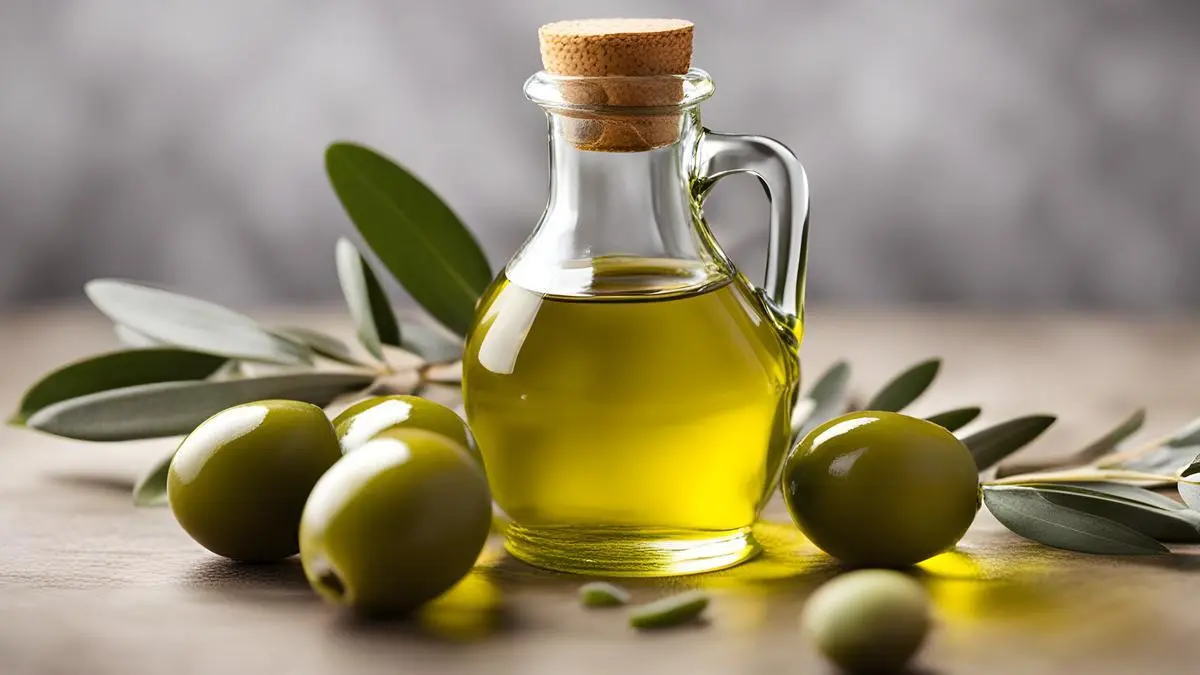
Virgin olive oil (which is not as common on U.S. supermarket shelves as other types) comes next on the list. It is also considered an unrefined oil, but it contains up to 2% free acidity. This oil costs less, but it can be almost as good as extra-virgin. The flavor of virgin olive oil is still full of natural olive taste, though it is not as strong as EVOO. Still, if you find one with a flavor you enjoy, you can use it in salads, as a finishing drizzle, and for lower-heat cooking, just like extra-virgin olive oil.
Pure and “Light” Olive Oil
This group of oils is much more processed compared to virgin and extra-virgin olive oil. Less care is taken during pressing. Usually, these olive oils are made by mixing virgin olive oil with refined olive oil (which means the oil was taken out using chemicals and/or heat treatments).
Even though these are the bottles found in many home kitchens, the olive flavor is very weak in these lower-grade types. These oils are mainly for cooking, not for salads or drizzling. You can even use them for deep-frying. Because of this, in my opinion, you could just as easily switch to cheaper vegetable oil or corn oil.
Also, remember that “light” olive oil does NOT mean it has less fat or fewer calories than other olive oils. “Light” is only a marketing term. It simply means the oil is lighter in color and has a milder olive flavor than other olive oils.
The world of olive oils still fascinates me. I truly enjoy keeping a small bottle of high-quality extra-virgin for special salads and as a finishing oil. However, one important thing to remember when buying olive oil is that even though you may want to invest in high-quality oil, good olive oil is actually perishable. I say this because it can be tempting to buy the big 3-liter bottle and stock up, but if your family does not use olive oil quickly… you may want to think again.
Always keep your olive oils away from direct heat and light — for example, in a cabinet that is not close to your stove or oven. If your oil does not come in a dark bottle, I strongly suggest getting one and pouring the oil into it. I once found a (not very good) white wine that came in a black bottle; my husband and I managed to finish the wine, and now that bottle has become my official EVOO container.