
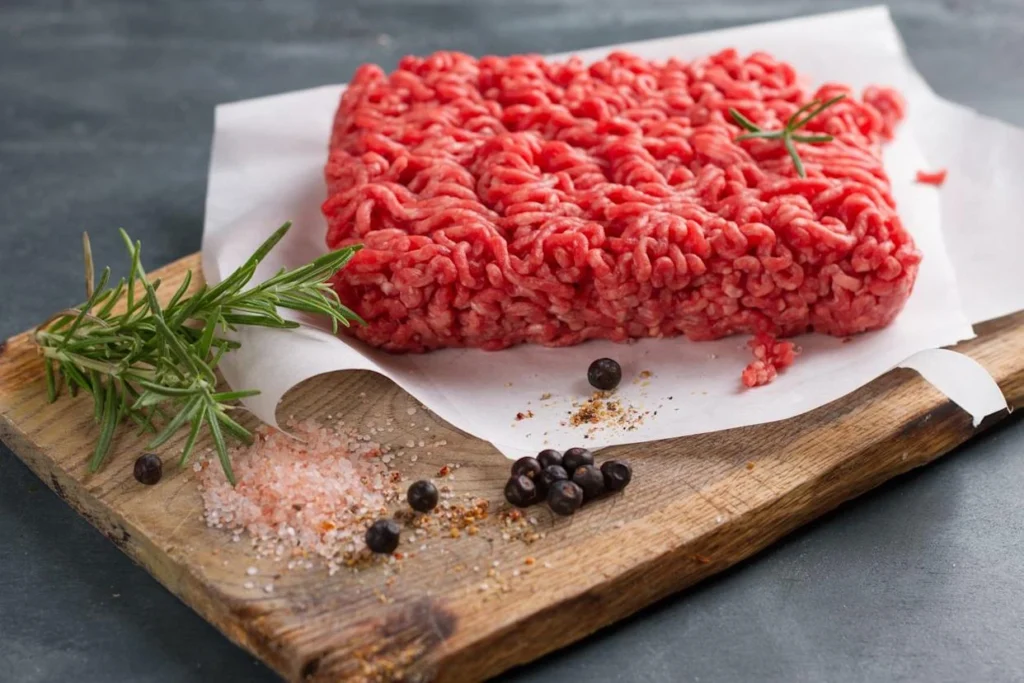
The versatility of ground beef is well known. From delicious grass-fed beef sliders to tasty meatballs or a warm bowl of hearty chili, there are so many ways to use it.
However, smart home chefs care about the safety and freshness of ground beef just as much as the quality of the meat. This brings up two important questions:
- How long can raw ground beef stay in the fridge?
- How long can cooked ground beef stay in the fridge?
In this blog post, you will learn the recommended storage time for both raw and cooked ground beef. You will also understand how to spot signs of spoilage and learn proper handling methods to keep everyone at your table safe and satisfied.
How long is raw ground beef good for in the fridge?
According to the United States Department of Agriculture (USDA) guidelines, raw ground beef can be kept in the fridge for one to two days.
Important: Keep in mind that these general guidelines can change depending on how fresh the meat was when you bought it and how cold your refrigerator is.
Why meat freshness affects how long you can keep raw ground beef in the fridge
When meat is freshly processed and handled the right way, it lasts longer. This is one of the main reasons
Flash freezing means freezing meat very quickly at extremely low temperatures. This process:
- locks in the meat’s quality and flavor
- keeps important nutrients
- helps maintain texture and taste while slowing down bacterial growth
Flash-frozen ground beef from a regenerative agriculture producer gives you longer storage time, less food waste, and better quality, nutrients, and freshness when cooking your favorite meals.
How long is cooked ground beef good in the fridge?
Cooked ground beef can usually be stored in the fridge for about three to four days.
After cooking, let the beef cool down to room temperature before putting it into an airtight container or wrapping it tightly with plastic wrap. Always label the container with the date so you can track its freshness.
If you cannot eat it within three to four days, it’s better to freeze it. Cooked ground beef can be safely frozen for two to three months, which helps keep its quality and extend its shelf life.
How to tell if ground beef is bad
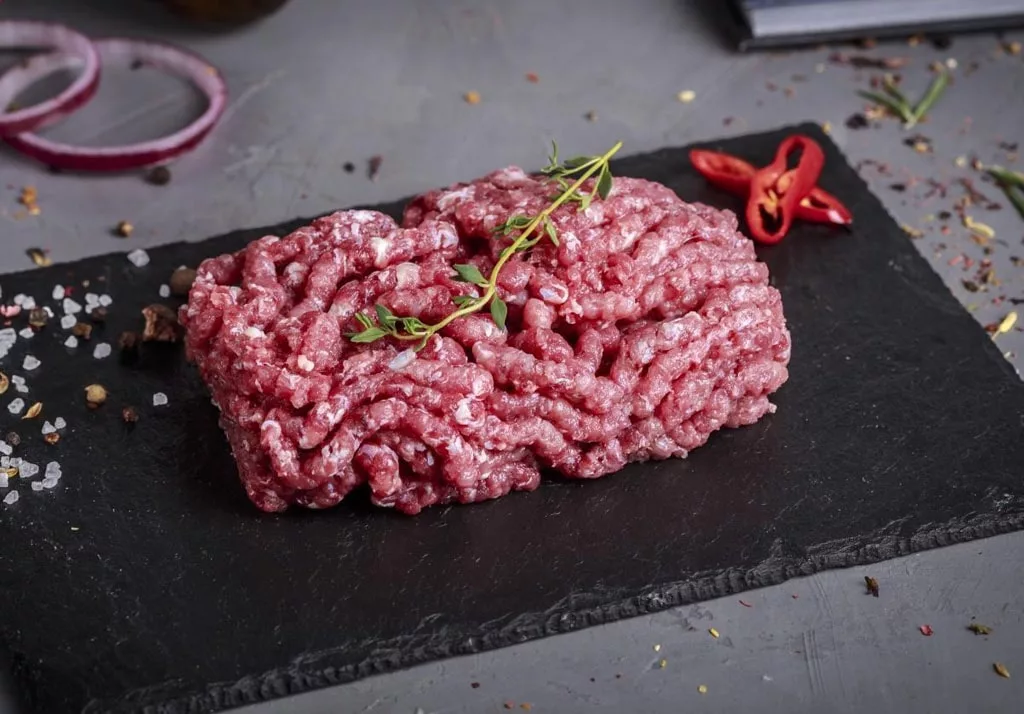
To check if your raw ground beef has gone bad, look for these three signs:
- Color: Fresh ground beef is usually bright red. If it turns brown or gray, it may be spoiled.
- Smell: Use your nose. Fresh ground beef has a mild smell. If it smells strong or sour, even before the sell-by date, it should be thrown away.
- Texture: Good ground beef feels firm. If it feels slimy, sticky, or too soft, it is not safe to eat.
When in doubt, it is always safer to throw the meat away.
The importance of properly storing ground beef
How you store raw ground beef has a direct impact on its freshness and safety. Proper storage helps you:
Maintain freshness
Keeping it at 40°F (4°C) or below slows down bacteria growth and keeps its flavor, texture, and nutrients intact.
Prevent foodborne illnesses
Good storage practices help stop harmful bacteria like E. coli and Salmonella.
Reduce cross-contamination
Always store ground beef separately from other foods, especially cooked items, to avoid spreading bacteria.
Side effects of eating bad ground beef
Eating spoiled meat can lead to serious problems like food poisoning and other foodborne illnesses.
These can cause symptoms such as nausea, vomiting, stomach pain, diarrhea, and in severe cases, dehydration and organ damage. It is very important to check the freshness of ground beef and throw away any meat that shows signs of spoilage.
Tips for safely handling and storing ground beef
To keep raw ground beef fresh and safe before cooking, follow these simple tips:
- Keep your refrigerator at or below 40°F (4°C) to slow bacterial growth and extend shelf life.
- Take the beef out of its original packaging and place it in an airtight container or sealed plastic bag to reduce air exposure and prevent spoilage.
- Divide large portions into smaller packs for easier use.
- Store raw ground beef separately from other foods. Keep it on the bottom shelf in a leak-proof container to avoid contamination.
- Use labeled or color-coded containers to clearly separate raw meat from other items.
Explore our helpful