
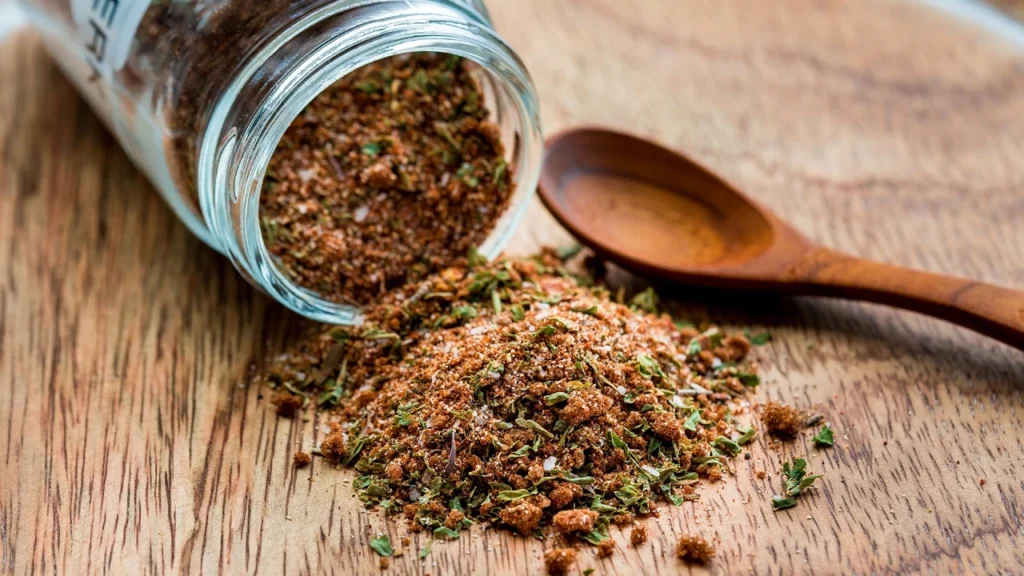
Why Make This
- This Jamaican jerk seasoning is fast to prepare and works well with chicken, pork, beef, or seafood.
- When you rub the seasoning on the meat before cooking, it gives strong flavor without needing a long marinating time.
- You can also change the spice and salt level easily, so this jerk rub suits any taste.
For me, eating jerk chicken is a full three-step sensory experience. The first bite must be very hot. That heat tells me all my senses are awake and ready. I keep eating until my eyes start to water. The heat stays on my tongue, then slowly becomes a warm and satisfying feeling. It is amazing how chicken can bring tears of joy.
I grew up in Queens, New York, one of the main Caribbean cultural areas of New York City. Jamaican restaurants were everywhere because of the immigrants who opened busy food spots. Because of this, jerk flavor became part of my food memories. My family cooked jerk chicken at home, but it never tasted like the restaurant version. Later I learned that the difference was not only in the cooking method but also in the seasoning.
Making My Own Jerk Seasoning
Jerk-style meat is now a regular part of my weekly dinner. My family always used the paste seasoning from Grace or Walkerswood, and I still use them today, even for jerk meatballs.
Over time, I became more confident in the kitchen and started making my own spice rubs and marinades. This gives me full control over the salt, heat, and how warm the spices taste. It is very helpful when cooking for people who have different spice tolerance.
This dry jerk seasoning is very flexible and tastes great on chicken, pork, beef, and seafood. When I need to cook quickly, this dry rub is perfect, especially for large cuts of meat with some fat. Dry rubs do not need long marinating because most of the flavor develops when the meat touches the heat while cooking.
What Is Jerk?
The word jerk can mean both the cooking method and the spice mix used on the meat. As the meat cooks, the spices form a dark color that gives jerk its well-known look.
This cooking style started in the 17th century during the colonial period. Formerly enslaved people who escaped from Spanish settlements went to the mountains of Jamaica. There they met the Taino people, an indigenous Arawak tribe, who taught them how to cook and preserve meat.
They covered meat, usually wild boar, with spices and pepper. Then they cooked it in a pit in the ground lined with firewood. This is believed to be the origin of the smoky flavor in jerk cooking. They covered the pit carefully so the smoke would not reveal their location.

Ingredients in Jerk Spice
Jerk spice is a flexible blend that can be made as a ground mix, paste, or marinade.
It combines warm Caribbean spices with aromatics and a little sugar to create balanced flavor. Common spices include cinnamon, nutmeg, allspice, and clove. Aromatics such as onion, garlic, ginger, and scallion are also added.
Every cook has their own version of the mix. I prefer stronger cinnamon, clove, and nutmeg flavors, with less ginger, black pepper, and paprika.
Wet Jerk Marinades
Wet jerk marinades usually include an acid like lime juice or vinegar.
The acid helps break down tough fibers and makes thick cuts of meat more tender.
When to Break Out Your Jerk Seasoning
Use this seasoning lightly on seafood and tofu because their texture is delicate and the flavor can become too strong.
For beef, lamb, and other red meats, you can use more seasoning.
Chicken is my favorite choice for this rub. I like to serve it with many side dishes such as Jamaican rice and peas, West Indian chow mein, fried rice, potato salad, or macaroni pie.

Hot Pepper Substitutions
If you do not have Scotch bonnet, you can use dried habanero or ground cayenne pepper.
I do not recommend dried jalapenos or serrano peppers because their flavor and heat are different from what we want in jerk seasoning.
You can also Check Taco Seasoning
Jamaican Jerk Seasoning
Prep Time 8 mins
Cook Time 5 mins
Total Time 13 mins
Servings 24 Servings
Yield 1 cup
Note: I prefer using dried and ground Scotch bonnet in this recipe.
Use 4 heaping tablespoons of this seasoning for 2 pounds of bone-in chicken.
For boneless meat, use 1 tablespoon per pound.
Ingredients
- 2 tablespoons (12g) ground allspice
- 2 teaspoons (5g) ground cloves
- 2 teaspoons (5g) ground cinnamon, or a 5-inch cinnamon stick
- 2 teaspoons (5g) ground black pepper
- 1 teaspoon (3g) ground ginger
- 1 teaspoon (3g) ground nutmeg
- 1 teaspoon (3g) paprika
- 1 tablespoon (6g) dried, ground Scotch bonnet
- 1 tablespoon (9g) onion powder
- 1 tablespoon (9g) garlic powder
- 1 tablespoon (16g) salt
- 2 tablespoons (25g) cane sugar
- 2 tablespoons (7g) dried thyme
Method
- (Optional) Toast and Grind the Whole Spices
If you have a little extra time, toasting whole spices will give a deeper and richer flavor.
Here is how to convert whole spices into ground form:
- 2 tablespoons whole allspice = 2 heaping tablespoons ground
- 2 teaspoons whole black peppercorns =
- 2 heaping teaspoons ground
- 2 heaping teaspoons whole cloves = 2 teaspoons ground
- 1 (5-inch) cinnamon stick = 1 heaping teaspoon ground
Place the allspice berries, whole cloves, cinnamon stick, and black peppercorns in a dry skillet or small pot over medium-low heat.
Shake the pan back and forth or stir with a spatula so the spices move around often.
After about 4 to 5 minutes, the spices will smell fragrant and you may hear a light crackling sound.
Remove them from the heat and transfer to a bowl.
Let the spices cool completely, then grind them in a spice grinder until you get a fine powder.
Combine All the Spices
Put all the ingredients into a large mixing bowl. (If you ground your own spices, add the remaining ingredients now.) Use a whisk or a fork to break up any lumps of seasoning or sugar. Mix everything well until the spice blend becomes one even color.
Tip
Be careful not to inhale any of the dust from the spices as you mix them. The dried Scotch bonnet peppers in particular can irritate your sinuses. Consider wearing a face mask as you mix the rub.
3. Pour Into a Glass Jar
Spoon the spice blend into a glass jar. You can use a funnel to make this step easier.
If you do not have a funnel, fold a sheet of paper in half vertically.
Place the spice blend on the paper, hold it over the jar opening, and slowly let the seasoning slide into the jar.
4. Store
Keep the jar in a cool, dark, and dry place, such as a kitchen cupboard instead of a spice rack on the counter.
For the best and freshest flavor, use the jerk seasoning within 6 months.
Tip
When you open the jar and the strong aroma hits you right away—maybe even makes you sneeze—your spice blend is still fresh. If you need to smell it closely to notice the scent, the mix has likely lost its flavor and strength. It may also smell a little stale, and the color will not look as bright as before.
5. Use
Before adding the seasoning to meat, rub the meat with a thin layer of oil or butter. Then spread the dry seasoning evenly over the entire surface.
Love the recipe? Leave us stars and a comment below!
Nutrition Facts
13 Calories
0g Fat
3g Carbs
0g Protein