
Homemade mashed potatoes are pure comfort food. They’re warm, creamy, and buttery — the kind of dish that makes any meal feel special. Whether it’s a family dinner or a big holiday feast, mashed potatoes always bring smiles to the table.
I’ve learned that making fluffy mashed potatoes at home is simple when you know a few key tips. The type of potato you pick, how long you cook them, and when you add butter and milk all make a big difference. In this guide, I’ll show you how to make smooth, lump-free potatoes that taste amazing every time.
By the end, you’ll know how to make creamy mashed potatoes that are rich, light, and full of flavor. I’ll also share a few fun variations, tips to avoid mistakes, and the best ways to store and reheat them. Get ready to make the best mashed potatoes your family has ever had!
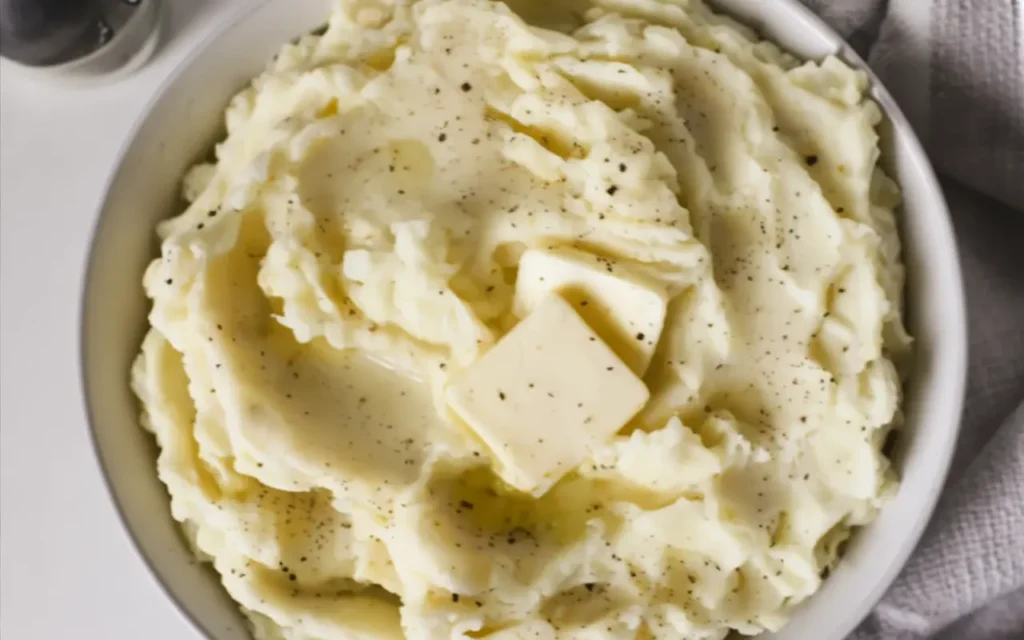
Why You’ll Love This Homemade Mashed Potatoes Recipe
This recipe is simple, even if you are new to cooking. Homemade mashed potatoes are quick to make and use only a few basic steps. I still remember the first time I made them — I was worried they might turn out lumpy, but they were soft and creamy, and my family loved them. Once you try it, you’ll see how easy it is to make mashed potatoes that taste like they came from a restaurant.
These mashed potatoes are perfect for busy weeknights or big holiday dinners like Thanksgiving. They cook fast, so you can spend more time enjoying the meal. They go well with almost anything — roast chicken, steak, turkey, or a big spoonful of gravy.
You can also make them just how you like. Want extra butter? Add more. Love garlic or cream cheese? Mix them in for extra flavor. This recipe is flexible, so you can make them fluffy, creamy, or bold to fit your taste.
Ingredients You’ll Need
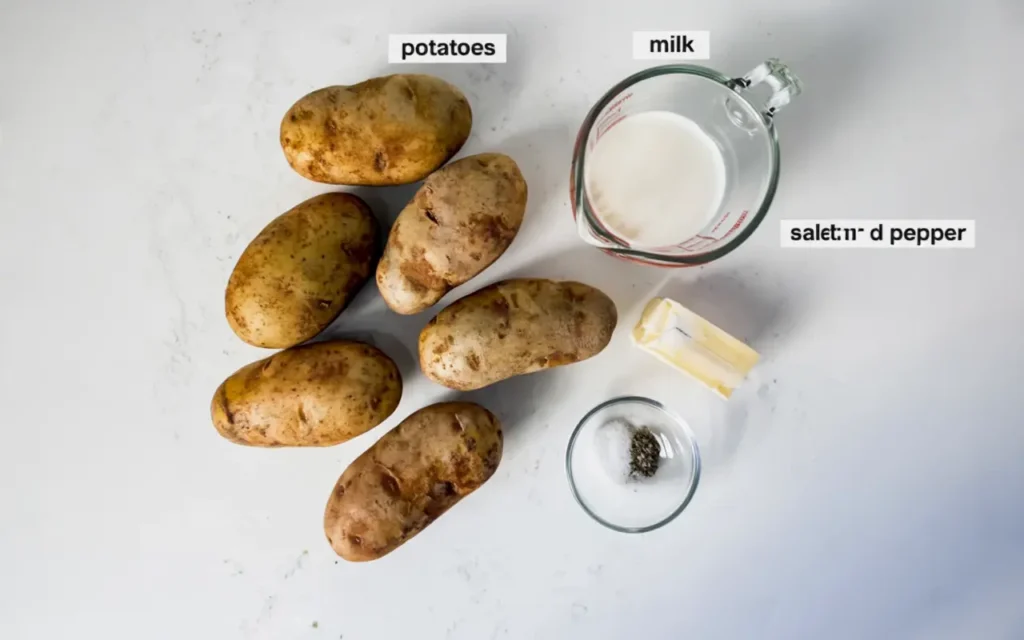
Getting the right ingredients is the secret to creamy, fluffy mashed potatoes. Your choice of potatoes, butter, milk, and extra add-ins all work together to make the perfect side dish.
Choosing the Best Potatoes
- Yukon Gold Potatoes – Naturally creamy with a buttery taste. Their medium starch level makes them smooth without being too mushy. Perfect if you want rich, creamy mashed potatoes.
- Russet Potatoes – High in starch, giving you light and fluffy mashed potatoes. Best if you like a classic, cloud-like texture.
- Mixing Both – I often combine Yukon Gold and Russet for the best of both worlds — creamy yet fluffy. This is a great trick for holiday dinners when you want everyone to be impressed.
Pantry Staples
- Butter – Use unsalted butter for better control of salt. Salted butter works too, especially if you’re short on time.
- Milk or Cream – Always warm before mixing to keep the potatoes from turning gluey.
- Whole milk = creamy but light
- Half-and-half or heavy cream = rich and silky
- Plant-based milk (almond, oat, soy) = perfect for dairy-free mashed potatoes
- Whole milk = creamy but light
- Salt & Black Pepper – These basics enhance all the other flavors. Add a pinch, taste, and adjust.
Optional Flavor Boosters
- Garlic – Roasted or sautéed garlic adds a deep, savory flavor.
- Sour Cream or Cream Cheese – Makes mashed potatoes extra creamy with a slight tang. I often add sour cream for a little kick.
- Fresh Herbs – Chives, parsley, or thyme bring freshness and color to your dish.
- Cheese – Parmesan or cheddar adds a cheesy, savory finish — a favorite when I’m making mashed potatoes for kids or family gatherings.
Step-by-Step Guide: How to Make Homemade Mashed Potatoes
Making creamy, fluffy mashed potatoes is easy if you follow the right steps. Here’s my tried-and-true method that never fails, whether I’m cooking for a weeknight dinner or a big holiday meal.
Step 1 – Prep Your Potatoes
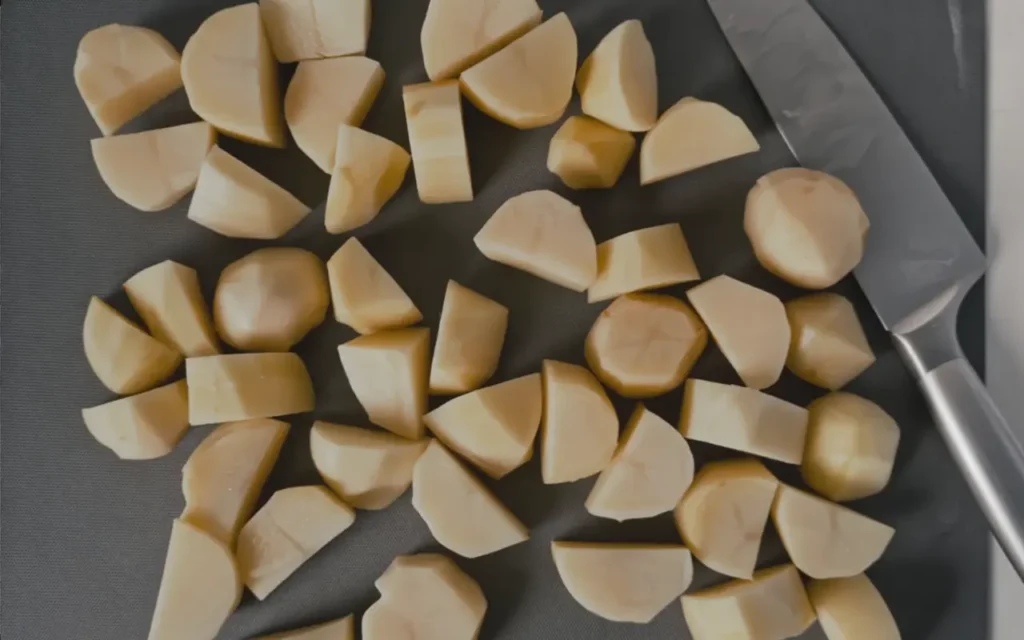
- Peel Evenly – Peel the potatoes completely to avoid rough bits in your mash.
- Cut into Equal Chunks – Slice into even pieces (about 1½ inches) so they cook at the same speed.
- Pro Tip: If you leave them uneven, smaller pieces may overcook and turn watery while bigger chunks stay hard.
Step 2 – Boil Until Tender
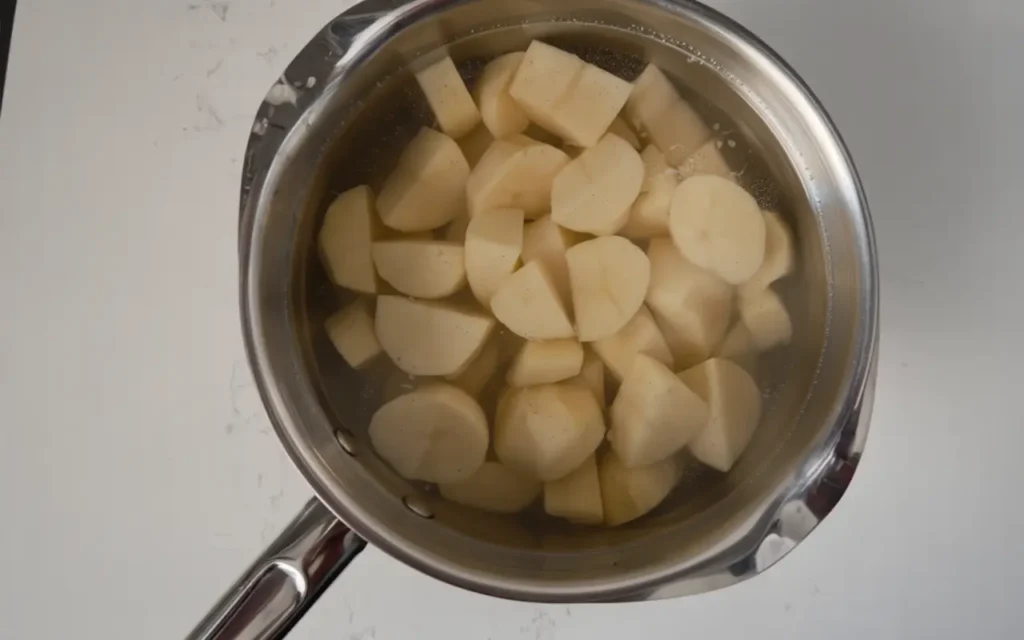
- Start in Cold Water – Put the cut potatoes in a pot, cover with cold water, then bring to a boil. This helps them cook evenly.
- Salt the Water – Add about 1 tablespoon of salt per quart of water. This seasons the potatoes from the inside out.
- Cook Time: 15–20 minutes, depending on potato size.
- Test for Doneness: A fork or knife should slide in easily without resistance.
Step 3 – Drain and Dry
- Drain Well – Pour the potatoes into a colander to remove all water.
- Return to the Pot – Place them back over low heat for 1–2 minutes to steam off extra moisture.
- Why This Matters: Removing water keeps mashed potatoes light and fluffy, not watery.
Step 4 – Mash and Mix
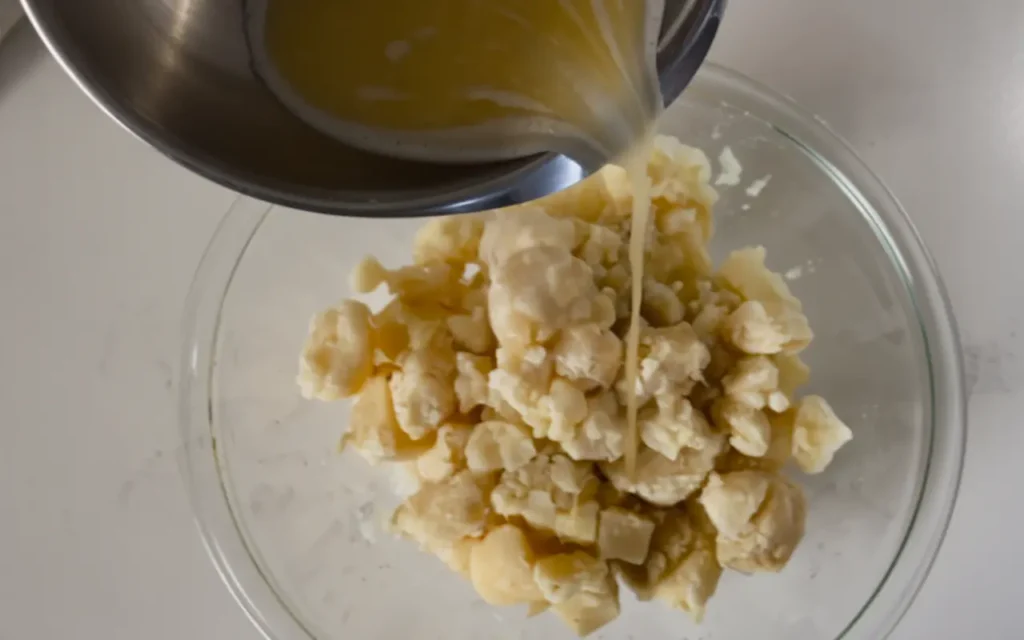
- Choose Your Tool:
- Potato Masher – Gives a slightly rustic texture.
- Ricer – Best for ultra-smooth, restaurant-style mashed potatoes.
- Hand Mixer – Works for quick mashing but mix on low speed to avoid overworking.
- Potato Masher – Gives a slightly rustic texture.
- Avoid Gluey Potatoes: Don’t overmix — too much mashing breaks down starch and makes them gummy.
Step 5 – Add Butter, Milk, and Seasonings
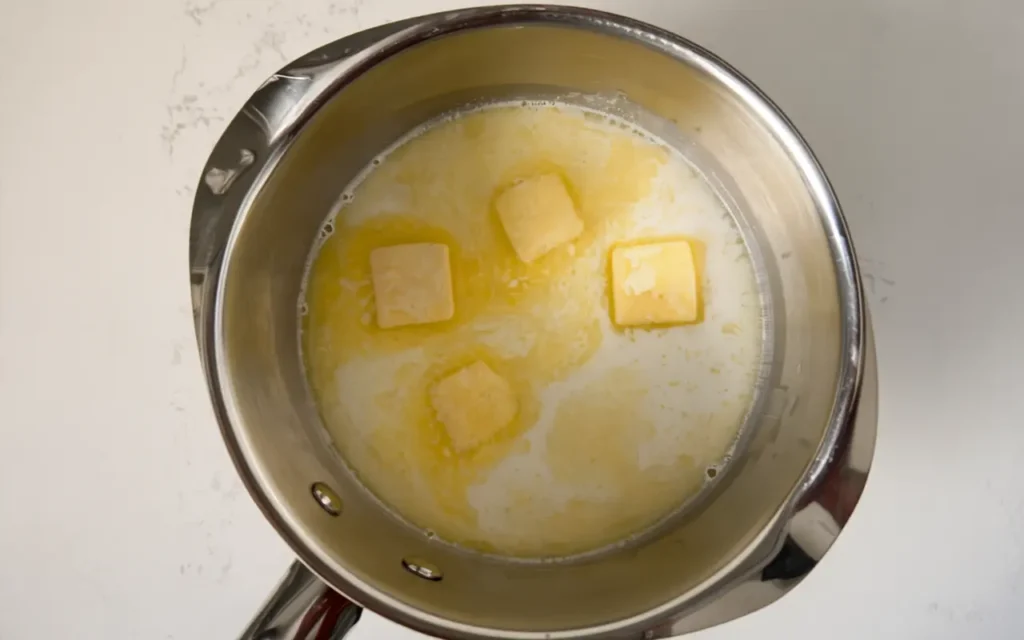
- Add Butter First – Mix in softened butter before adding milk for a silky texture.
- Warm Your Dairy – Heat milk, cream, or plant-based milk before adding to avoid cooling the potatoes.
- Season Well – Add salt and pepper gradually, tasting as you go.
- Mix Gently – Stir just until creamy and smooth.
Tips for Perfect Mashed Potatoes Every Time
Follow these simple tips to get creamy, fluffy mashed potatoes every single time:
Don’t Overmix – Avoid Gummy Texture
- Mash just until smooth — stop when the big lumps are gone.
- Overmixing breaks down the starch and makes potatoes gluey.
- For the smoothest result, use a potato ricer or food mill instead of a mixer.
- Gently fold in butter and milk at the end to keep the texture light and airy.
Warm Milk and Butter Before Adding
- Always melt butter and warm milk or cream before adding.
- Warm ingredients keep the potatoes hot and mix in more easily.
- This step helps the potatoes absorb the fat better, giving a silky finish.
- If using plant-based milk, warm it gently to avoid changing the taste.
Season Gradually and Taste as You Go
- Add salt and pepper a little at a time instead of all at once.
- Taste after each addition to avoid oversalting.
- A small pinch of garlic powder, sour cream, or cream cheese can be added for extra flavor.
- Finish with a sprinkle of fresh herbs like chives or parsley for a fresh touch.
Variations You Can Try
One of the best things about mashed potatoes is how easy they are to customize. Whether you want them garlicky, cheesy, dairy-free, or fresh with herbs, these variations will keep your table exciting.
Garlic Mashed Potatoes
Garlic adds a warm, savory flavor that makes mashed potatoes even more comforting. I like to roast whole garlic cloves until soft and golden, then mash them into the potatoes. For a stronger kick, you can sauté minced garlic in butter before mixing it in. This variation pairs perfectly with roasted chicken or steak and turns a simple side into something special.
Loaded Mashed Potatoes (Bacon + Cheese)
If you want to make mashed potatoes the star of the meal, try loading them up. Stir in crispy bacon bits, shredded cheddar cheese, and a little sour cream for creaminess. I sometimes sprinkle green onions or chives on top for color and flavor. These are a hit at game-day gatherings or when you want comfort food that feels indulgent.
Dairy-Free or Vegan Mashed Potatoes
You can still enjoy creamy mashed potatoes without dairy. Swap butter for vegan butter or olive oil, and use unsweetened almond, oat, or soy milk. I’ve made this version for vegan friends, and they were surprised at how rich and smooth it still tasted. A touch of roasted garlic or nutritional yeast can add depth and a “cheesy” note without actual cheese.
Herb-Infused Mashed Potatoes
Fresh herbs give mashed potatoes a bright and fresh flavor. I like to use parsley, chives, or thyme — sometimes I infuse the warm milk with herbs before mixing it in. This method makes the flavor subtle but noticeable, perfect for holiday dinners or spring meals. You can even mix in a little Parmesan for a rustic, herby twist.
Serving Suggestions
Mashed potatoes are one of those side dishes that go with almost everything. They pair beautifully with gravy, whether it’s a classic brown gravy, turkey gravy, or a creamy mushroom sauce. I love serving them alongside roast chicken, juicy steak, or grilled vegetables — it turns an ordinary dinner into a cozy, complete meal.
For special occasions, mashed potatoes truly shine. On Thanksgiving, I always make a big batch to serve with turkey, stuffing, and cranberry sauce — it’s the perfect base for all that delicious gravy. At Christmas, they pair well with prime rib or glazed ham and a side of roasted Brussels sprouts or green beans.
You can even make them the star of the plate. Try topping them with shredded beef, slow-cooked stew, or sautéed mushrooms for a quick, hearty dinner. This is my go-to option on busy nights when I want something filling but easy to put together.
Storage and Reheating Instructions
Refrigeration Tips
- Let mashed potatoes cool to room temperature before storing.
- Place them in an airtight container to keep them fresh.
- Store in the refrigerator for 3–4 days.
Freezing Mashed Potatoes
- Transfer cooled potatoes to a freezer-safe container or resealable bag.
- Flatten or portion them into smaller containers for easy defrosting.
- Freeze for up to 1 month for the best texture.
- Thaw in the refrigerator overnight before reheating.
Best Reheating Methods
- Stovetop: Warm on low heat in a saucepan, adding a splash of milk or cream. Stir until smooth and heated through.
- Oven: Place potatoes in an oven-safe dish, cover with foil, and bake at 350°F (175°C) until hot (about 20–30 minutes).
- Microwave: Heat in short 30-second intervals, stirring between each, and add a little butter or milk to keep them creamy.
Pro Tip
- Stir in a little extra butter or cream while reheating to make them taste freshly made — perfect for Thanksgiving or Christmas prep.
Common Mistakes to Avoid
Making mashed potatoes sounds simple, but there are a few common mistakes that can ruin the texture and taste. I’ve made these mistakes myself over the years, so here’s how to avoid them for the perfect creamy mash every time.
1. Overcooking or Undercooking the Potatoes
One of the biggest problems is cooking the potatoes for too long or not enough. Overcooked potatoes soak up too much water and turn mushy, while undercooked ones stay lumpy no matter how much you mash them. I always poke a potato with a fork — if it slides in easily but doesn’t break the potato apart, it’s ready. This simple step has saved me from both watery and hard mashed potatoes.
2. Using the Wrong Type of Potato
Not all potatoes work the same way. Waxy potatoes like red or new potatoes stay firm and can turn gluey when mashed. I prefer starchy varieties like Russets or Yukon Golds because they are fluffy and soak up butter and milk beautifully. Choosing the right type of potato is a game-changer if you want smooth, creamy results.
3. Adding Cold Butter or Milk
Pouring in cold milk or using straight-from-the-fridge butter is a quick way to make your mash lose its creamy texture. Cold ingredients cool the potatoes too fast and make them stiff. I always warm my milk slightly and let the butter soften before mixing them in — this helps everything blend smoothly and makes the mash richer.
FAQs (Frequently Asked Questions)
Can You Make Mashed Potatoes Ahead of Time?
Yes, you can! I often make them a few hours before a big dinner. The key is storing them properly so they stay creamy. I place them in a heatproof dish, cover with foil, and keep them warm in the oven at a low temperature (around 200°F). If they thicken while sitting, I stir in a splash of warm milk before serving.
What If My Potatoes Are Too Runny?
Runny potatoes happen if you added too much milk or if the potatoes were too watery after boiling. I’ve had this happen, and my go-to fix is adding a spoonful of instant mashed potato flakes or a bit of grated parmesan. They soak up the extra liquid and improve the texture fast. You can also put the mash back on low heat and stir until some liquid evaporates.
How to Make Mashed Potatoes Without Milk
If you’re out of milk or avoiding dairy, you still have options. I’ve made mashed potatoes with chicken broth, vegetable stock, or even a splash of olive oil. They still turn out smooth and flavorful, just with a slightly different taste. You can also use unsweetened plant-based milk like oat or almond milk for a dairy-free alternative.
Conclusion
Homemade mashed potatoes are one of those comfort food side dishes that never go out of style. They’re creamy, fluffy, and easy to make with just a few simple ingredients. This recipe gives you a reliable base you can use for any occasion — from weeknight dinners to big holiday meals. I always say mashed potatoes are the perfect recipe to make your own. Try adding roasted garlic, a sprinkle of parmesan cheese, or even fresh herbs like chives or parsley for a flavor boost. When I have guests, I love mixing in a little sour cream for extra creaminess — it always gets compliments.
Now it’s your turn! Make a batch, play around with the flavors, and see what your family loves most. And if you try a fun twist or flavor combination, share it with friends or post it online — it’s always inspiring to see how others put their spin on a classic dish.