
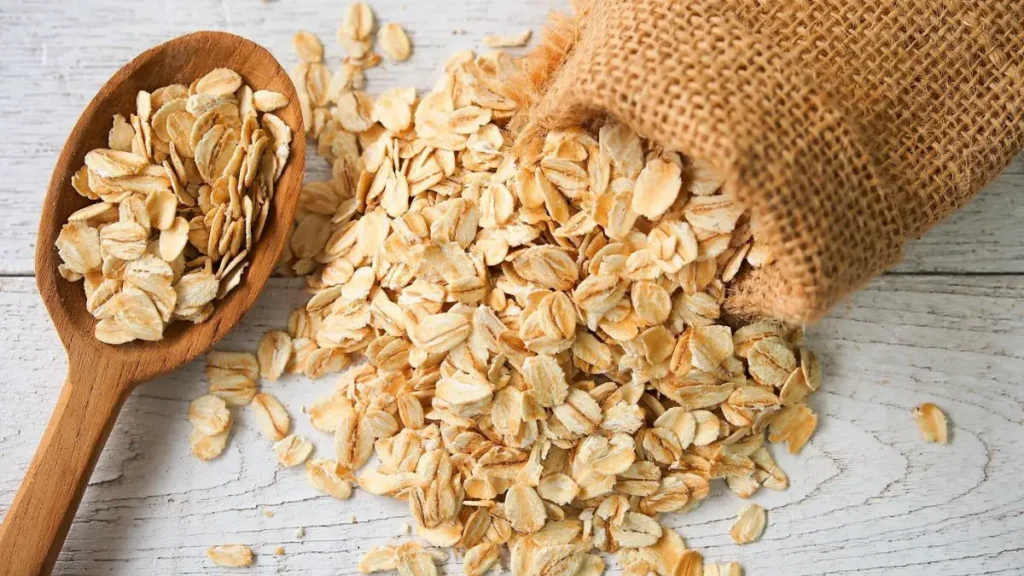
When you’re standing in the grocery store looking at different oatmeal options, it can be hard to know which one to choose. What’s the difference between rolled, old-fashioned, quick, instant, and steel-cut oats? Let’s break it down so you can decide which one is right for you.
Enjoying a warm bowl of oatmeal on a chilly morning is a tradition that has been around for thousands of years. Oats grow best in cool, wet climates, which is why they have long been a staple food in countries with colder weather. Places like Northern Canada and Russia are among the world’s largest oat-producing regions.
Before oats are ready for people to eat, they go through a processing stage. The tough outer layer is removed, and the oats are steamed to make them softer and easier to cook. They are then kiln-dried to add a mild toasted flavor and help them stay fresh longer. Once processed, oats can be turned into several different varieties. In this guide, we’ll look at rolled oats and compare them with whole grain oats, quick oats, steel-cut oats, and instant oats.
What Are Rolled Oats?
Every oat begins as a whole grain with its protective husk still attached. The husk is the hard outer shell that surrounds each grain. After the husk is removed, the oat grain, known as a groat, is steamed and passed through large rollers that flatten it. This flattening process is what gives rolled oats their name.
After rolling, the oats are dried in a kiln to improve flavor and deactivate a natural enzyme that can cause fats in the oats to break down and become rancid over time.
Rolled oats, often called old-fashioned oats, are the most widely used type of oats around the world.
Are Rolled Oats Healthy?
Yes, rolled oats are a very healthy food choice. According to nutrition experts, one cup of cooked oats contains around 150 calories, 3 grams of healthy fat, 4 grams of fiber, and 6 grams of protein. Oats also provide important nutrients such as iron and B vitamins, including thiamin, riboflavin, and niacin.
One of their biggest benefits is their high amount of soluble fiber, which may help lower cholesterol levels when included as part of a healthy diet. For anyone wondering if rolled oats are good for you, the answer is definitely yes.
Rolled Oats Versus Quick Oats
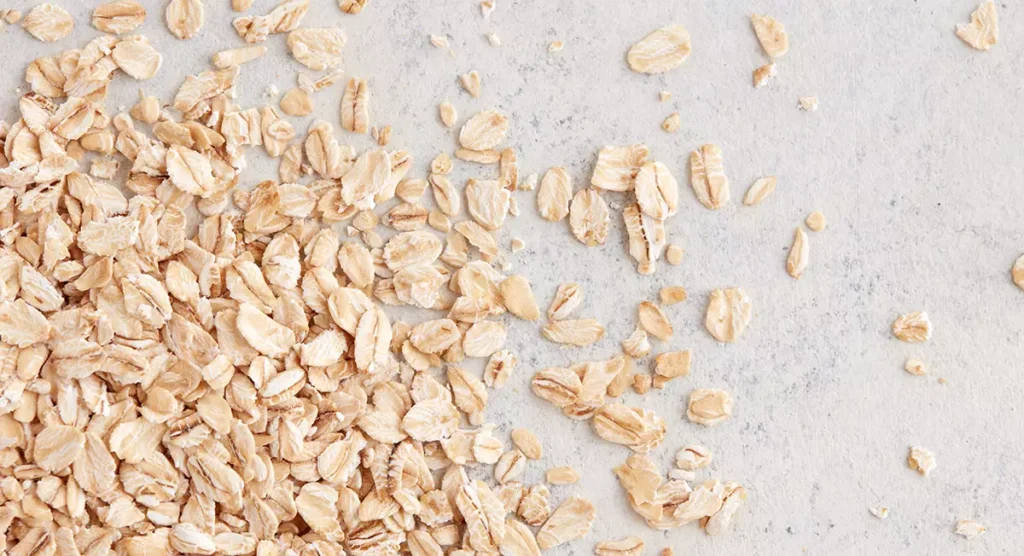
During the rolling process, rolled oats are flattened just enough to help them cook faster while still maintaining their texture. Quick oats go through a slightly different process. They are soaked longer before rolling, flattened more thinly, and cut into smaller pieces.
Because quick oats have more surface area, they absorb water faster and cook more quickly. In most baking recipes and smoothies, quick oats and rolled oats can be used interchangeably.
For a bowl of hot oatmeal, rolled oats usually take about 5 to 6 minutes to cook on the stovetop, while quick oats are ready in about 2 minutes.
Rolled Oats Versus Instant Oats
Instant oats are the most processed type of oats. They are steamed longer, rolled thinner, and cut into much smaller pieces than other oat varieties.
Because of their size, instant oats absorb hot water very quickly and can be ready to eat in less than 2 minutes. They are especially convenient for microwave preparation and busy mornings.
Rolled Oats Versus Steel-Cut or Irish Oats
Steel-cut oats, also known as Irish oats, are made differently from rolled oats. Instead of being steamed and flattened, whole oat groats are cut into smaller pieces using sharp steel blades, usually into two or three sections.
Since they are less processed, steel-cut oats take much longer to cook and require more liquid. They also don’t work well in most baking recipes because they remain firm and don’t soften properly in batter or dough.
Cooking steel-cut oats on the stovetop with water, milk, or a combination of both can take up to 40 minutes and requires occasional stirring. Many people prefer preparing them overnight in a slow cooker for convenience. However, if you enjoy a hearty and chewy texture, stovetop cooking provides the best results.
When buying steel-cut oats, it’s best to purchase only what you can use within a month. Since they are not heat-treated, the natural enzymes that can cause spoilage remain active. If stored for too long, they may develop an unpleasant smell and taste due to rancid fats.
Rolled Oats Versus Scottish Oats
Scottish oats are similar to steel-cut oats because they begin as untreated whole oat groats. However, instead of being cut with blades, they are ground between large stones or steel burrs. This creates irregular pieces rather than neat cuts.
The result is a slightly faster cooking time than steel-cut oats, but the texture is generally softer and less chewy. Like steel-cut oats, Scottish oats are mainly used for porridge and are not suitable for most baking recipes.
They also contain the natural enzymes that can cause spoilage, so it’s best to buy smaller amounts and use them relatively quickly.
The Ultimate Stovetop Oatmeal Tool
If you enjoy making oatmeal on the stove, consider using a spurtle. Never heard of one? A spurtle is a traditional Scottish tool designed specifically for stirring oatmeal.
At first, we were doubtful about how useful it could be. However, after trying one, we quickly became fans. Its slim shape easily reaches the corners of a pot, and because very little oatmeal sticks to it, it helps create a smoother bowl of oatmeal with fewer lumps.
Substitute for Rolled Oats
If a recipe calls for rolled oats in items like muffins or cookies, quick oats are usually the best substitute. We recommend adding a few extra tablespoons of liquid to the recipe because quick oats absorb moisture more rapidly while the batter or dough sits. This helps prevent baked goods from becoming too dry.
If you’re looking for an alternative to a bowl of oatmeal altogether, there are many whole grains that can be cooked into a delicious porridge. Brown rice, polenta, buckwheat, quinoa, spelt, and farro are all excellent options.
There are no strict rules when it comes to breakfast grains. Any whole grain can be served warm in a bowl and topped with brown sugar, raisins, maple syrup, or your favorite toppings.
How to Cook Rolled Oats
Rolled oats are one of the most versatile oat varieties available. They can be used in cookies, muffins, breads, granola, smoothies, porridge, and many other recipes.
Here’s a simple way to prepare a bowl of oatmeal:
- Measure 1 cup of water or milk per person and bring it to a boil in a saucepan.
- Add 1/2 cup of rolled oats and a pinch of salt for each serving.
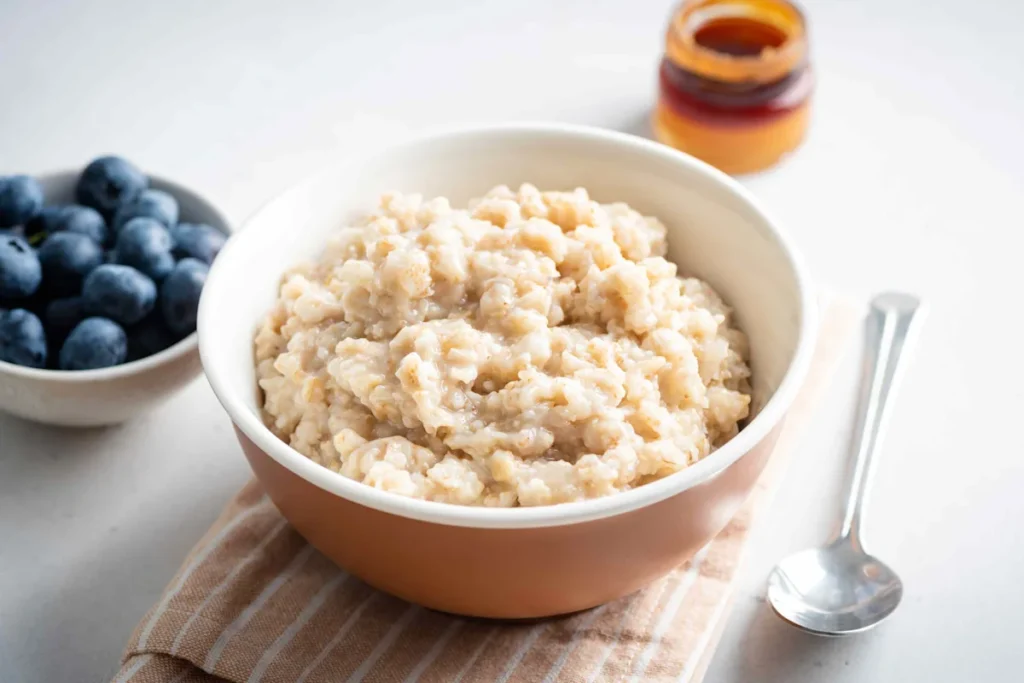
- Cook while stirring occasionally until the oats become creamy and most of the liquid is absorbed, about 5 minutes.
That’s all there is to it. And if you ever forget, don’t worry—the cooking instructions are usually printed right on the package.
Oatmeal Recipes
Having choices is always a good thing, and oatmeal recipes offer plenty of variety.
This oatmeal cookie recipe lets you choose between soft, chewy cookies or lighter, cake-like cookies.
Overnight oats are a simple grab-and-go breakfast that can be customized with your favorite ingredients.
For apple crisp, make sure the crunchy topping is evenly spread over the apples to get the best texture after baking.
Brown butter adds a rich, nutty flavor to muffins made with whole grain oats.
And if you enjoy sweet breakfasts, oatmeal raisin cookie granola brings dessert-like flavor to your morning yogurt while still delivering the goodness of oats.
Also check: